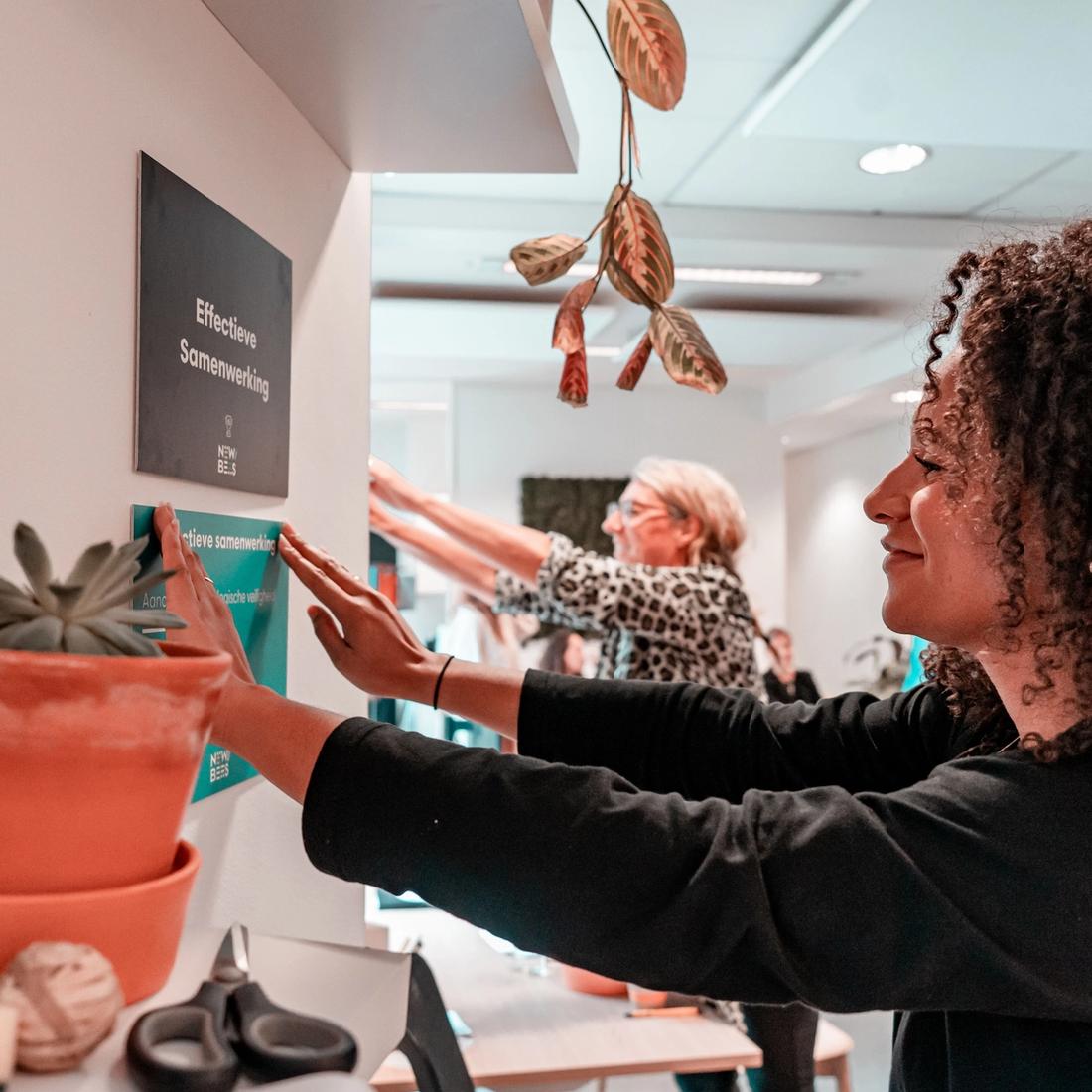
Inclusive leadership: make room for diversity
In the cultural sector, we love to celebrate diversity, whether on stage, in exhibitions, or at events. Yet that same diversity often remains a challenge behind the scenes. It’s high time to change that by truly putting inclusive leadership in charge.
Why inclusive leadership?
Inclusive leadership goes beyond simply bringing diverse people together. It is about actively creating space for their unique perspectives within decision-making and policy. Social enterprise NewBees INC. focuses specifically on supporting organizations in developing and implementing inclusive employment practices. CEO Annemiek Dresen emphasizes the importance of involving people who themselves experience exclusion: it is precisely these individuals who bring valuable insights that ensure policies and decisions better align with the needs of all employees.
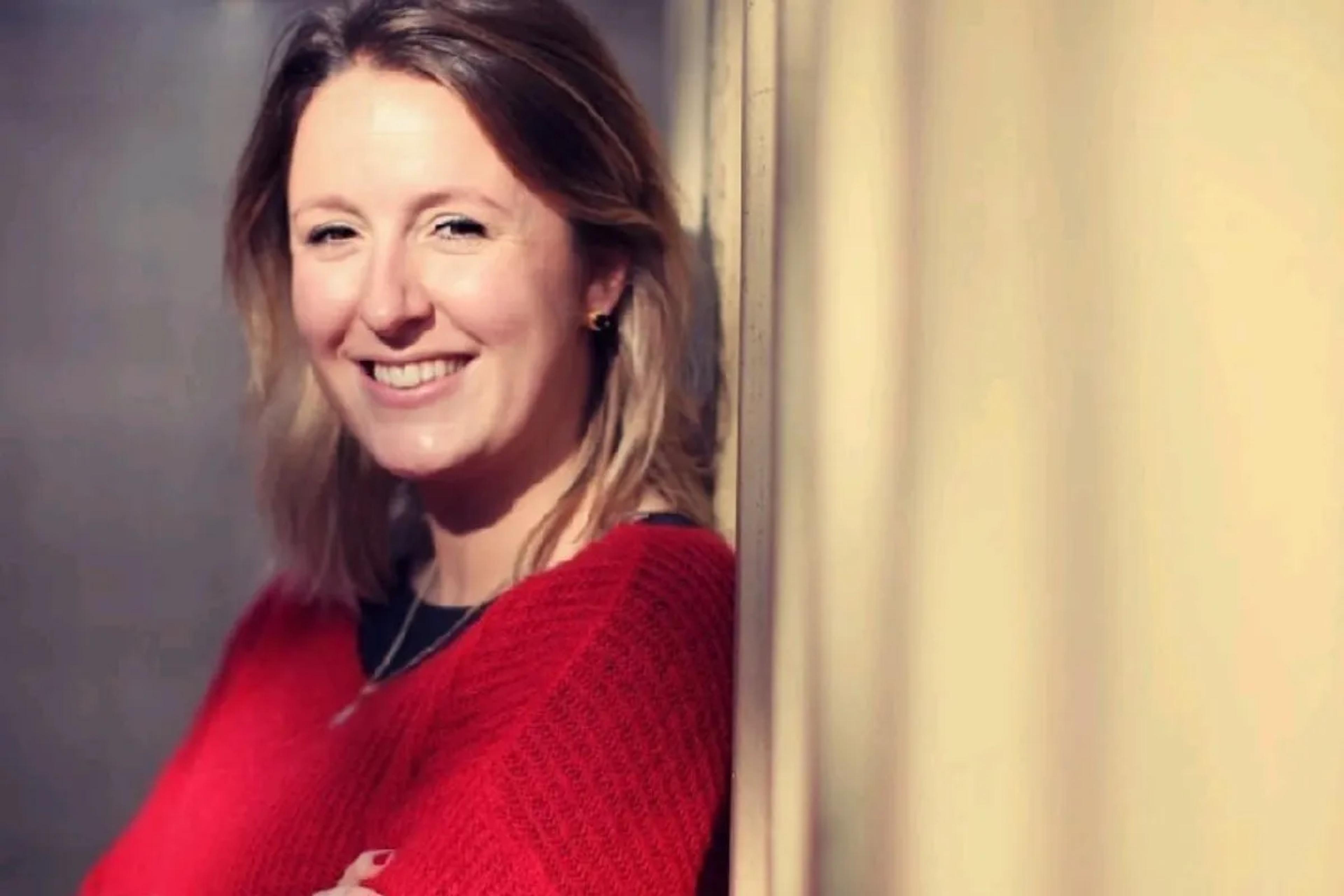
But how do you actually make room for diversity? According to director Valerie van Lanschot, the key lies in humility. She explains that humble leaders are more likely to listen, give others space, and dare to question their own perspective. Especially in the cultural sector, where collaboration and creativity are central, it is essential to give everyone a fair chance to shine.
Inclusive leadership requires a tailored approach
Inclusive leadership does not mean that everyone must be treated the same way. In fact, true justice sometimes requires an unequal approach that aligns with a person’s specific needs and circumstances. This starts with having genuine conversations, marked by sincere curiosity, an open attitude, humor, and cultural intelligence. This creates space for who someone truly is, and allows the added value of diversity to shine through. As Julien Oomen, unconscious bias trainer, coach, and musician, puts it: “The core message is that everyone can play a role as an inclusive leader, regardless of your position. It’s about your own contribution and ownership, both in your personal life and in the workplace.” Oomen is involved in the OEPS method and diversity and inclusion training programs at NewBees INC.
📖 Recommended reading: In Daniel Goleman’s *Primal Leadership: Realizing the Power of Emotional Intelligence* explains how empathy and self-awareness lead to better leaders.
The Benefits of Neurodiversity
In the cultural sector, we know better than anyone how valuable different ways of thinking are. Neurodiversity is a prime example of this. Rosalie Ekstein, Senior Advisor for Diversity & Inclusion at the Dutch Tax and Customs Administration and founder of Neurologic , emphasizes that neurodiverse teams are more innovative and sustainable, and also perform better. By consciously fostering neurodiversity, your organization can become even more creative and innovative.
Where do you start?
Inclusive leadership may sound ambitious, but it starts with small, practical steps. NewBees INC. offers practical advice on how to promote diversity starting with the recruitment process. This includes:
- Inclusive and gender-neutral language in job postings
- Avoid stereotypes in images and text
- Make it clear that diversity is a priority in your organization
- Be open to alternative application methods
There is no standard
An important insight comes from creative strategist Nadine Ridder, who emphasizes that our ideas about what constitutes “the best candidate” are often unconsciously shaped by dominant norms. Instead of focusing solely on linear careers and theoretical knowledge, she advocates for a more inclusive view of talent. This also means making room for experiential expertise, resilience, and the ability to navigate complex social situations: qualities that are of great value in the cultural sector but are far from always recognized.
📖 Recommended reading: In Judi Mesman’s study“Leadership in Color,”you’ll find insights from research on leadership and racial diversity, with a focus on the role of awareness, bias, and representation.

Many systems are designed with a single standard in mind: the “reference man”—a white man who is 5’9” and weighs 176 pounds. This affects not only products but also how we assess success and suitability. Consider smartphones that are too large for smaller hands or facial recognition systems that perform less accurately for people with darker skin tones. This one-sided standard leads to exclusion. That is why it is time to define talent more broadly: less focus on linear resumes and more appreciation for diverse experiences, perspectives, and contributions to the whole.
Take the step toward inclusive leadership today
Do you want to not only celebrate diversity on stage, but also put it at the forefront behind the scenes? In collaboration with NewBees INC., Cultuur Academy is organizing Cultuur Academy training Cultuur Academy on inclusive leadership. Want to learn more? Contact Moniek Klabbers at moniek@cultuuracademy.nl.