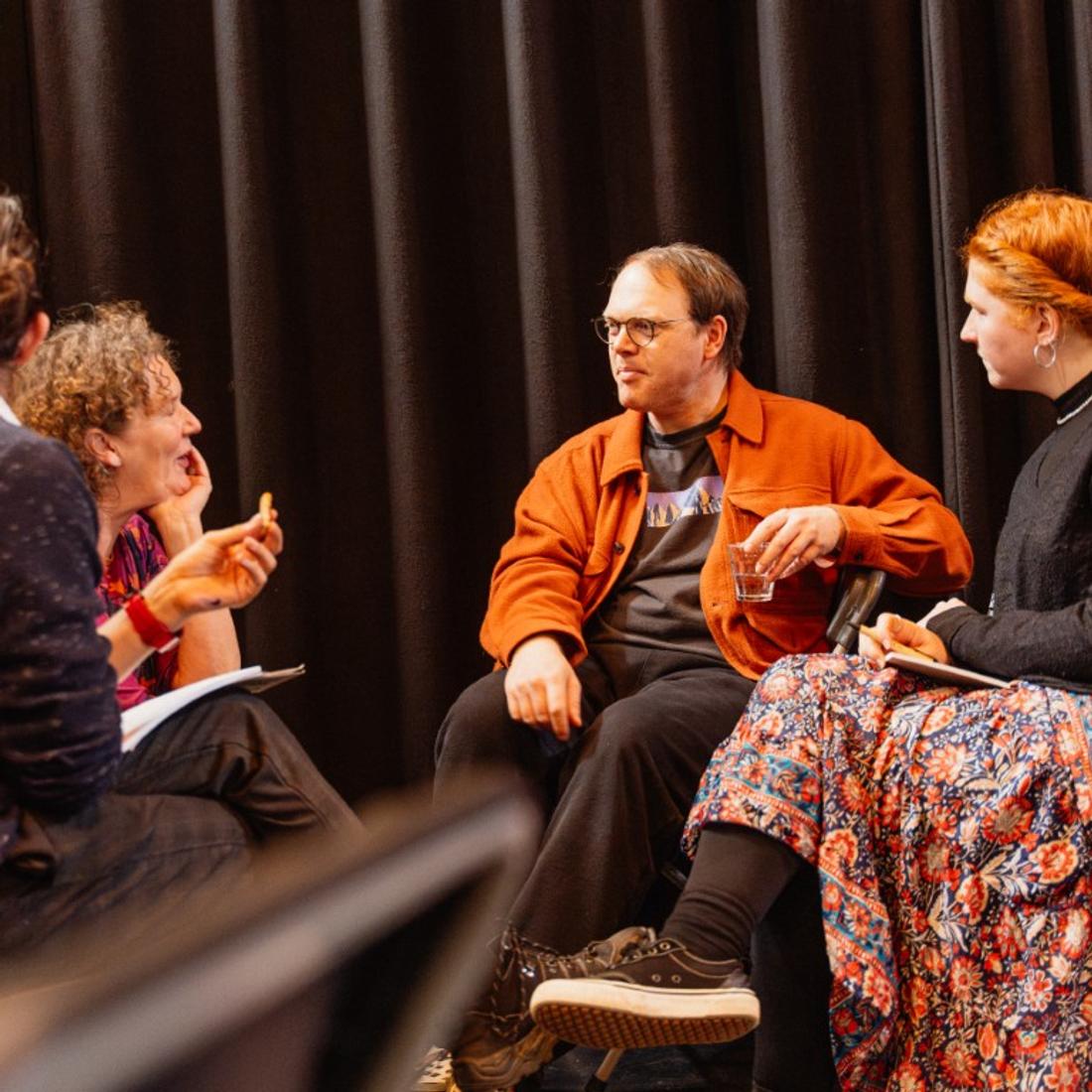
Effective meetings? Sure, why not!
Meetings are a regular part of working in the cultural sector. At the same time, meetings take up a lot of time and energy, and they don’t always deliver the results you hope for. How can you ensure that meetings truly contribute to your work, rather than slowing it down? In this article, trainer Miriam Grapendaal shares practical insights from the workshop “Effective Meetings.” So that meetings aren’t a necessary evil, but a tool that helps you move forward.
By Miriam Grapendaal, owner and founder of TeamTrain.
As Rob de Haas once said: “Having a meeting without a goal is like playing mini-golf without a hole.” And that’s exactly how it works. You can discuss all you want, but if you’re just hitting the ball back and forth without any direction, it quickly becomes boring and pointless. The comment afterward—“Well, now we can finally get to work”—will sound familiar to many. And that’s a shame. A waste of your time and a waste of your energy.
How can you and your colleagues work together to make meetings productive, focused, and maybe even enjoyable?
Are meetings really necessary?
Start by asking yourself a few simple questions. Not every topic needs to be on the agenda right away. Ask yourself two questions beforehand:
- Should the information be shared?
- Should we discuss this information?
If the answer to either or both of these questions is no, find another way to handle it. An email, a quick chat, or a shared document can sometimes be more effective. Yet we often find ourselves crammed into a meeting room that’s too small, with too many agenda items and not enough coffee—even though there are so many alternatives.
During a previous training session, a participant remarked: “We always hold our meetings in this room. After all, it says ‘meeting room’ on the door.” And that’s how we unnecessarily limit ourselves in how we organize our meetings. If you make a conscious decision to hold a meeting, make sure it’s worth the effort. An effective meeting can only result from effective and deliberate preparation.
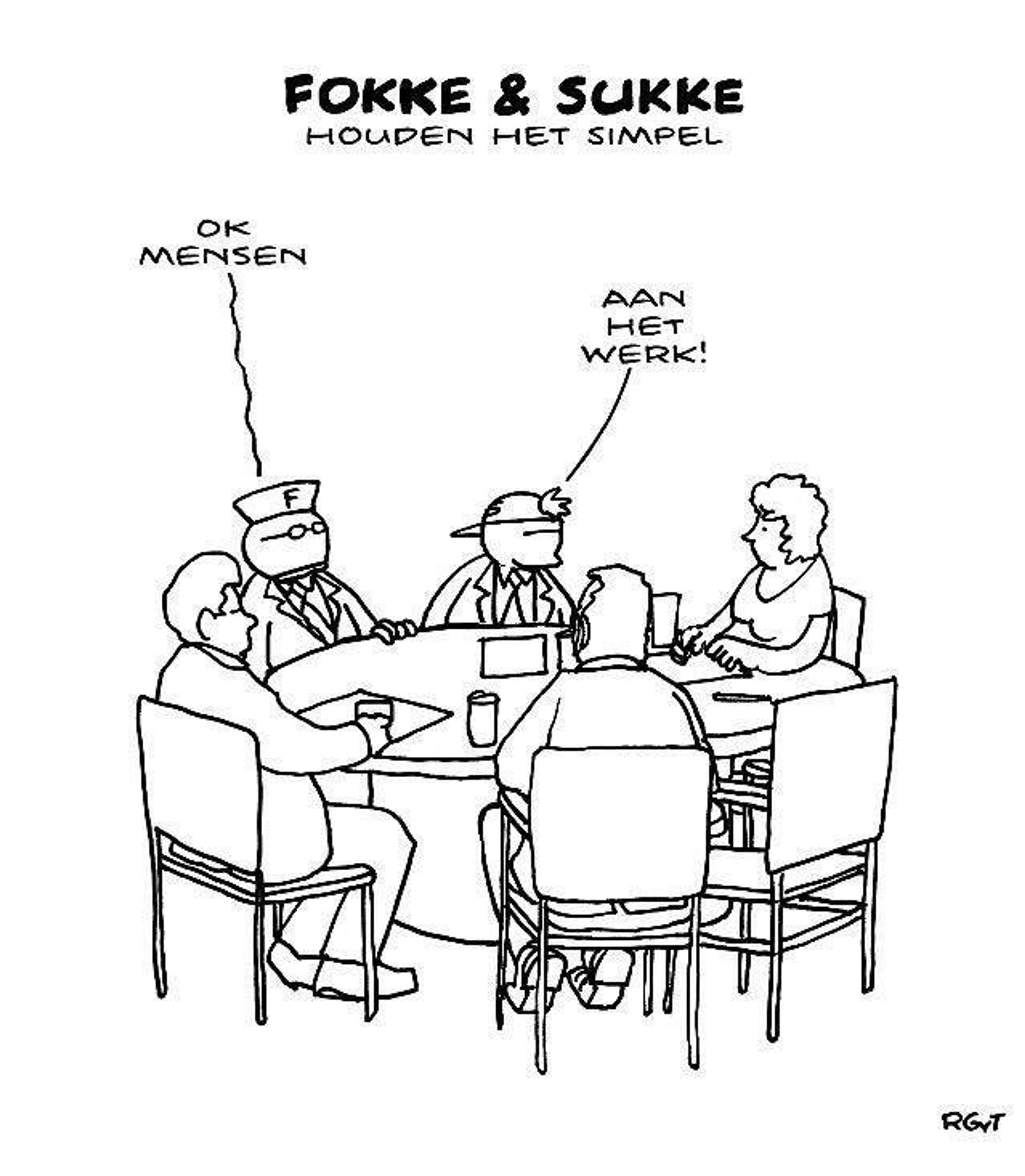
Effective meetings require preparation
An effective meeting doesn’t just happen on its own. It starts with careful and thorough preparation. To that end, it’s important to first clear up a persistent misconception: you can’t fulfill all the roles in a meeting at the same time.
Meeting roles are the tasks and responsibilities assigned for each meeting, such as chairperson, note-taker, or process facilitator. Each role involves certain things you must do and certain things you must refrain from doing. A note-taker must be able to summarize quickly and accurately, but this means they cannot always actively participate in the discussion. It is essential to determine in advance who will take on which role and what that entails.
Meetings aren’t necessarily boring. They only become boring if you don’t pay attention to them. You can make any meeting as boring or as dynamic as you want. To do that, you’ll need at least the following:
- a clear objective for each agenda item
- clear roles and agreements
- an appropriate teaching method
- active involvement of everyone
Did you add an item to the agenda? Then it’s your turn
Here’s another common misconception: once you add an item to the agenda, it automatically becomes the chairperson’s responsibility. That’s often what happens, and that’s exactly what leads to inefficient meetings.
If you want a topic to be covered thoroughly, you need to make sure that:
- A brief explanation: What is this about?
- A clear goal: What do you want to achieve?
- An approach: How are we going to discuss this?
- Clear expectations: What do you expect from your colleagues, for example, in terms of preparation?
If you don’t do this, the agenda will quickly turn into a long list of vague titles, lacking direction or purpose. And even before the meeting begins, the energy will start to fade.
Choose the appropriate format for each topic
For each agenda item, determine why it’s on the agenda and what you hope to achieve. Once that’s clear, you can also choose the meeting structure and format that best suits the topic. Not every topic requires the same approach.
Each agenda item has its own purpose and format. By varying these, a meeting becomes more engaging, focused, and effective. So try to find alternative ways to discuss topics.
And before you jump right into the details: take a step back together every now and then. What do we actually want to achieve with our meetings? And how do we want to conduct them? Research shows that we do enjoy meeting. After all, people are social beings and enjoy getting together from time to time. But we should do so thoughtfully.