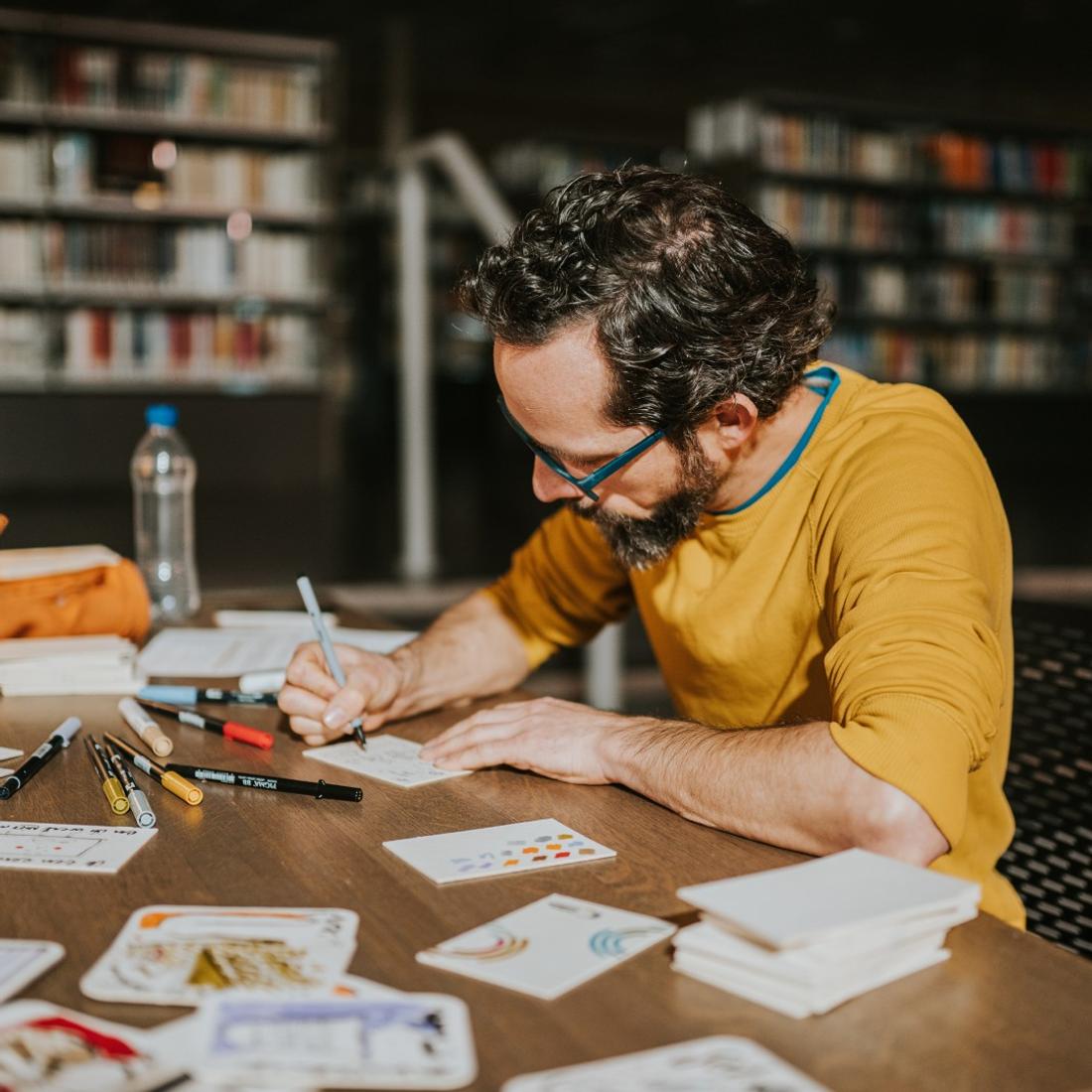
Components of a budget
Discover how to draw up a complete and realistic project budget. Includes tips for cost estimation, items, and unforeseen expenses.
In your budget, you should list all expected costs, including costs that will be sponsored or received in kind. A budget is always an estimate of the total costs to be incurred, and it is important to be as complete as possible. Below is an overview of common items, including tips and points to consider:
- Personnel/honoraria
- Program costs
- Marketing and communications
- Materials and supplies
- Location rental
- Travel costs
- Insurance and permits
- Unforeseen
Staff and fees
Who do you need to realize your project? Think of artistic and business leaders, producers, technicians, programmers, marketers, or educational staff. Distinguish between salaried employees and independent professionals (freelancers). Important: when budgeting fees, take Fair Pay into account. This means that you reward people fairly for their work, in accordance with guidelines in the cultural sector.
Program costs
Program costs include expenses directly related to the content of your project. Do you need to purchase or rent artworks? Are you inviting speakers, artists, or performers? Or are you renting equipment or technology for a performance or exhibition? Don't forget any costs for rights, licenses, or dramaturgical support.
Marketing and communications
This item is often underestimated in many budgets, even though a strong audience often starts with visibility. Think of costs for online and offline promotion, such as advertisements, flyers, posters, social media campaigns, or a teaser/aftermovie. Do you need a communications strategist or someone to take care of your website or press releases? Include those costs in your budget. Without an audience, there is no impact.

Materials and supplies
What materials do you need to carry out your project? These can range from props, technology, and costumes to tools or specific raw materials. Expenses for setting up an exhibition space or stage may also fall under this category.
Office, studio or location rental
Set aside a budget for renting the spaces you need to rehearse, create, or carry out your project. Think of a studio, workshop, office space, or the final project location. Keep in mind that cleaning, technical, or security costs may also be included in the rent.
Travel costs
What travel arrangements need to be made by you, your team, or invited creators? Consider the transport of materials, travel expenses for artists or project staff, as well as any overnight stays. These costs can quickly add up, especially if you are working with people from outside the region.
Insurance and permits
Some projects require additional insurance, such as directors' and officers' liability insurance or event insurance. Are you organizing something in a public space? Then you may need a permit. Check what is required in good time and include these costs in your budget.
Unforeseen
Always include a contingency fund in your budget, usually around 5-10% of your total costs. Something unexpected can always happen: someone falls ill, a collaboration turns out to be more expensive than anticipated, or something extra has to be rented at the last minute. A contingency item gives you the flexibility to respond to these kinds of situations without jeopardizing your project. The final budget will depend on factors such as the complexity of your project. Our sample budgets are a good starting point: