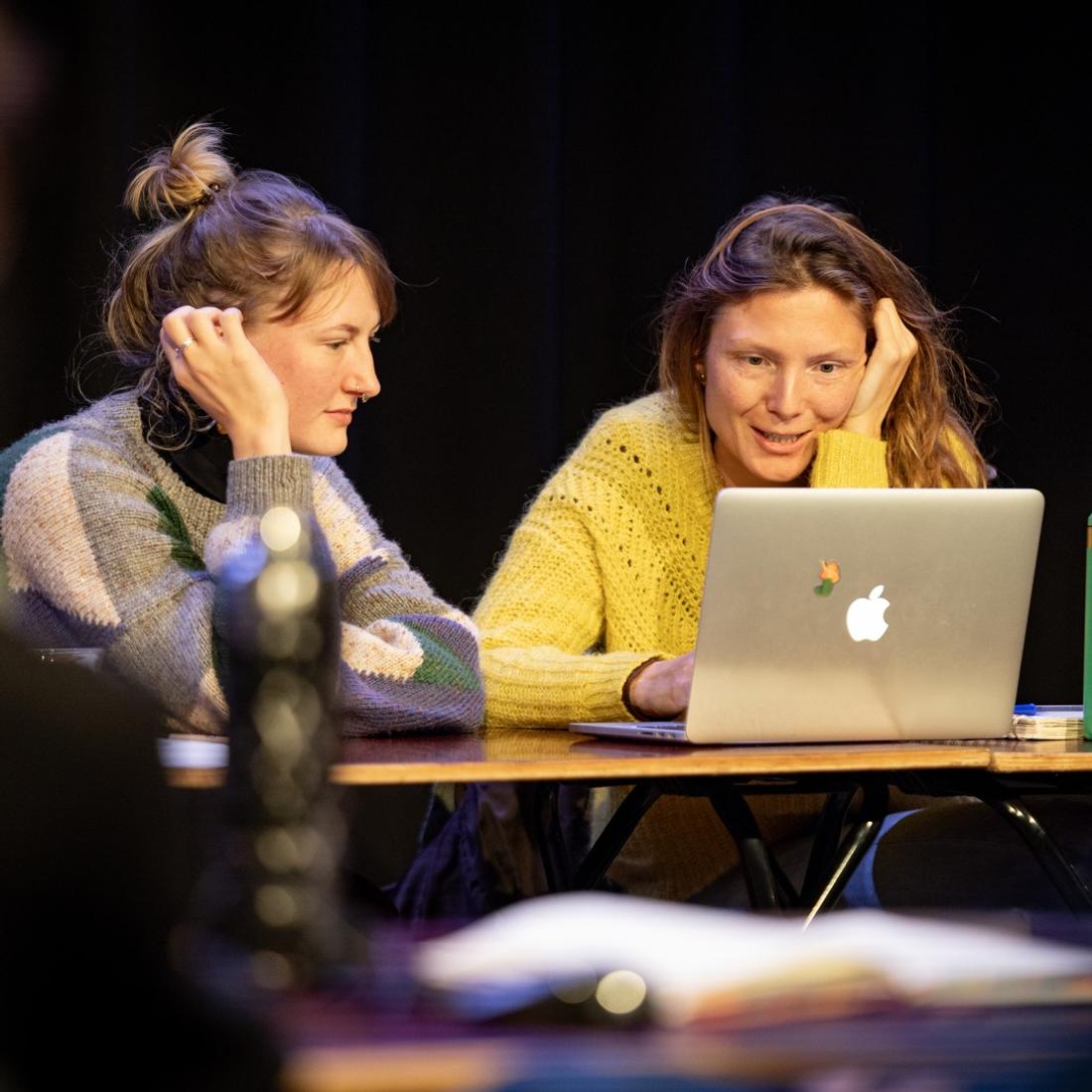
How to Create a Portfolio Like a Pro: Let Your Work Speak for Itself
How do you make sure your portfolio stands out from those of other creators? Whether you’re applying for a grant, responding to an open call, or presenting yourself to a programmer, a strong portfolio can open doors. But what should you include, and what’s best to leave out? During our workshop “Building a Portfolio Like a Pro,” trainer Amber van den Heuvel shares her tips for creating a professional and compelling portfolio. We’ve summarized the key insights for you!
Why is a good portfolio important?
Whether you’re applying for a grant, responding to an open call, or introducing yourself to a programmer, a strong portfolio serves as your professional calling card as an artist or creative professional. Just as you’d include a resume with a job application, a portfolio lets you show who you are, what you create, and what experience you have. This gives funding organizations, programmers, and clients an instant overview of your work, artistic identity, and development.
A portfolio is more than just a collection of work
An Instagram profile or a list of links doesn’t constitute a portfolio. Although social media can give a good first impression of your work, context is often missing. What was your role in a project? What research preceded it? And how does it fit into your artistic development? According to trainer Amber van den Heuvel, an evaluator should be able to see at a glance who you are as a creator and what they can expect from you.
A good portfolio brings all that information together. Consider:
- Biography: Who are you as a creator, what inspires you, and what defines your artistic identity?
- Education and Experience: relevant degrees, work experience, courses, and training programs.
- Projects and presentations: an overview of your work, performances, exhibitions, and collaborations.
- Documentation: photos, videos, text excerpts, and other visual materials that support your work.
- Publicity: any publications, reviews, awards, and nominations.
- Additional activities: for example, board positions or other involvement in the cultural sector.
This way, you not only show what you've created, but also how you've grown as a creator and what network you've built.
💡 Tip: It’s best to list your projects in reverse chronological order, with your most recent work at the top. Use a consistent structure for each project and combine high-quality images with a brief description: what do we see, what was your role, and in what context was the work created or presented? Also include the photographer’s name with photos, when relevant.

One core portfolio, multiple possibilities
You don’t need to create a new portfolio for every application. Amber recommends putting together a single core portfolio that you can adapt to the purpose and the recipient. “Your core portfolio showcases you as a creator. For a specific application, emphasize the work that aligns with it.” Do you want to perform at a festival? Then highlight your stage experience. Are you applying for funding for a multidisciplinary project? Show how you’ve combined disciplines in the past.
Always tailor your selection to the criteria of the “ fund ” or the open call. Presentation matters, too. “You want to make it as easy as possible for people to view your work,” Amber emphasizes. So be sure to include high-quality images, clear project descriptions, and a consistent design.
💡 Tip: Have someone who isn't familiar with your work take a look at your portfolio. Is it immediately clear who you are, what you create, and what sets you apart? A fresh perspective will help you further refine your portfolio.
Make Your Portfolio Personal
A compelling portfolio tells your story as a creator. What fascinates you, what themes do you explore, and how is that reflected in your work? According to Amber, it all comes down to this question: “If someone sees three portfolios, why would they choose yours?” So show what sets you apart. For example, do you work as a visual artist with recycled materials? Then don’t just show the final result—also explain why you choose this approach and how it’s reflected in your work. According to Amber, your portfolio should act as a kind of lens through which others can get to know your artistic identity. So be selective: you don’t have to show everything to make an impression.

Frequently Asked Questions About Portfolios
Several practical questions came up during the workshop. We've listed the most important answers below.
Want to know more?
Would you like to get started on your portfolio and discover how to present your artistic identity in a compelling way? We’ll soon be offering the “Create a Portfolio Like a Pro” workshop again. Want to know when the next session will take place? Sign up for our newsletter and stay up to date on our training offerings.