
Making your idea concrete
From a clear idea to a strong, convincing plan—with the right approach, you can convey your story clearly and powerfully.
Once you have your idea clear and a good understanding of why you are doing what you are doing, you can develop it further. Before you start writing your plan, it is important to think about the parts that should go into it. There are several methods that will help you get a clear picture of exactly what you want and how to make it happen. On this page you can read more about these methods and how to apply them so that you end up with a tight and convincing plan on paper.
Visualize your plan
Make your idea more concrete by visualizing it. This will give you insight into which aspects your plan should include. A useful method is to create a collage or mood board—collect images, draw sketches, or use digital tools to "cut out" your idea. This will give you a visual overview of the various elements that need to be included in your plan. For example, if you are starting a community art project, you can collect images that reflect the atmosphere and location of your project. This will not only help you structure your thoughts, but also make it easier to communicate your vision to others.
💡 Tip: With free online tools such as Pinterest and Canva, you can easily create mood boards and collages, which you can also share with teammates to work on together. Not into digital? You can also just get started with a stack of magazines and newspapers!

Make it concrete by asking questions
Use the questions below as a starting point to refine your plan. They will help you think about who you want to reach, what makes you unique, and how you define your work. This will help you identify the most important elements for a convincing and clear project plan.
- Target group: Who is your audience and who are your customers? For whom are you implementing your plan?
- Similar organizations: Who else in your field works with a similar idea? How do you distinguish yourself, and in what ways are you similar?
- Location: Where do you want to implement your plan, and how does the environment influence your approach?
- Definition of your work: How would you define your project, organization, or company? Consider aspects such as genre, discipline, (social) purpose, etc.
- Added value: What is your unique contribution and how are you different from what already exists? What is the social value of your project? What does it mean for the people who participate in it?
- Inspiration: Who or what inspires you outside your own discipline and target group, and how does this inspiration contribute to the development of your work and your approach to your target group?

Go through the steps of The Creation Spiral
The next step is to apply the Creation Spiral, a model that shows you how to turn your wish or idea into reality in twelve simple steps. The spiral helps you to work in a structured way, from the initial wish to a concrete project plan.
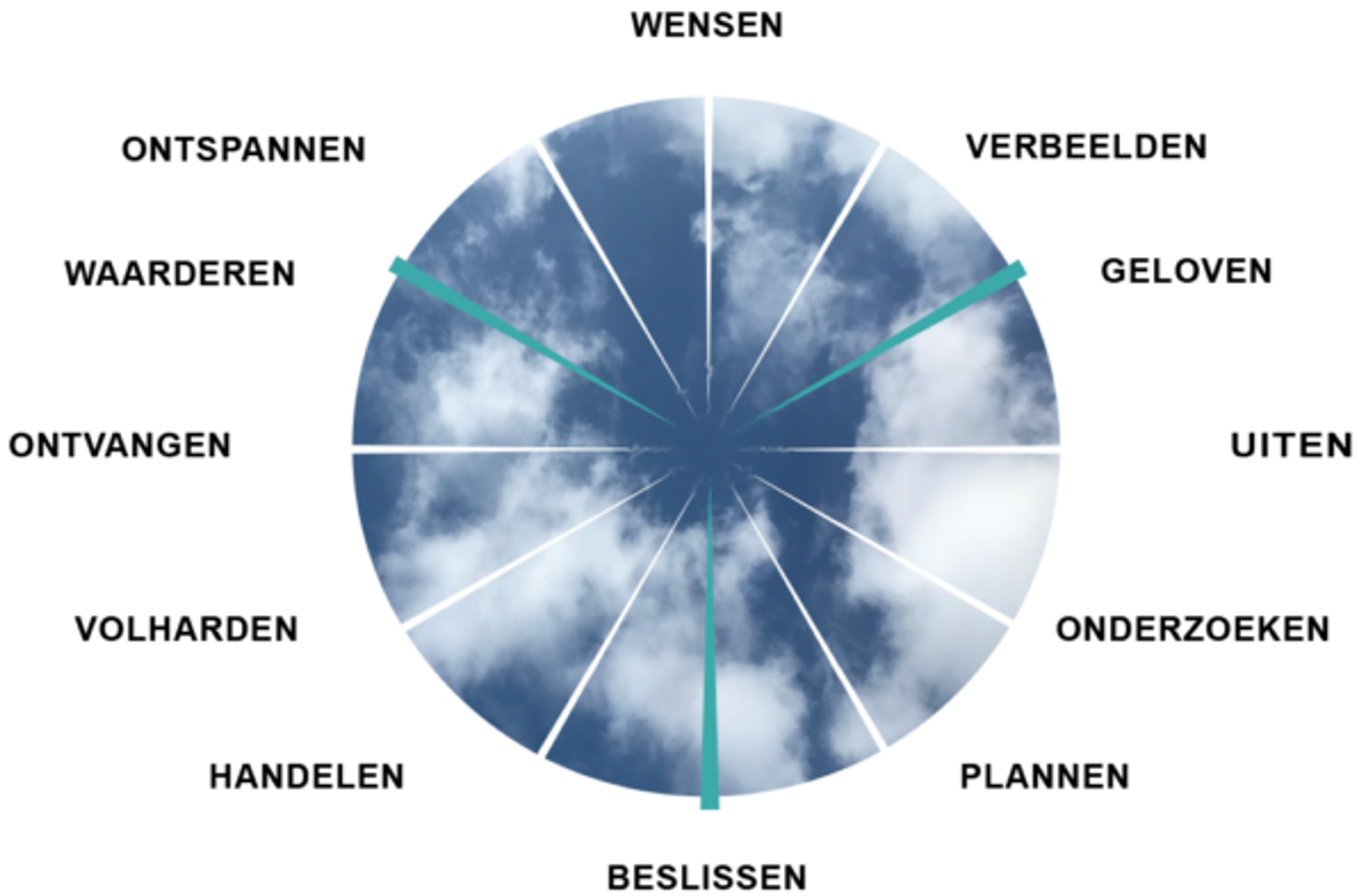
In the initial phase, you first define your desire: what is your original idea and why is it important to you? Next, you look for inspiration and explore which examples, stories, and ideas come close to your desire. During the concept development phase , you ask yourself how you can translate this desire into a concrete concept and what possibilities and variations you can come up with.
Once you have a concept, it's time for evaluation and refinement: what works well and what could be improved? What feedback have you received and how can you incorporate it? Finally, draw up an action plan by asking yourself what steps you need to take, what resources you need, and who can support you. By answering these questions, you can work in a structured way from your initial wish to a feasible plan, allowing you to identify obstacles and refine your approach. Click here for a detailed explanation of all the steps.
Sources & further information: