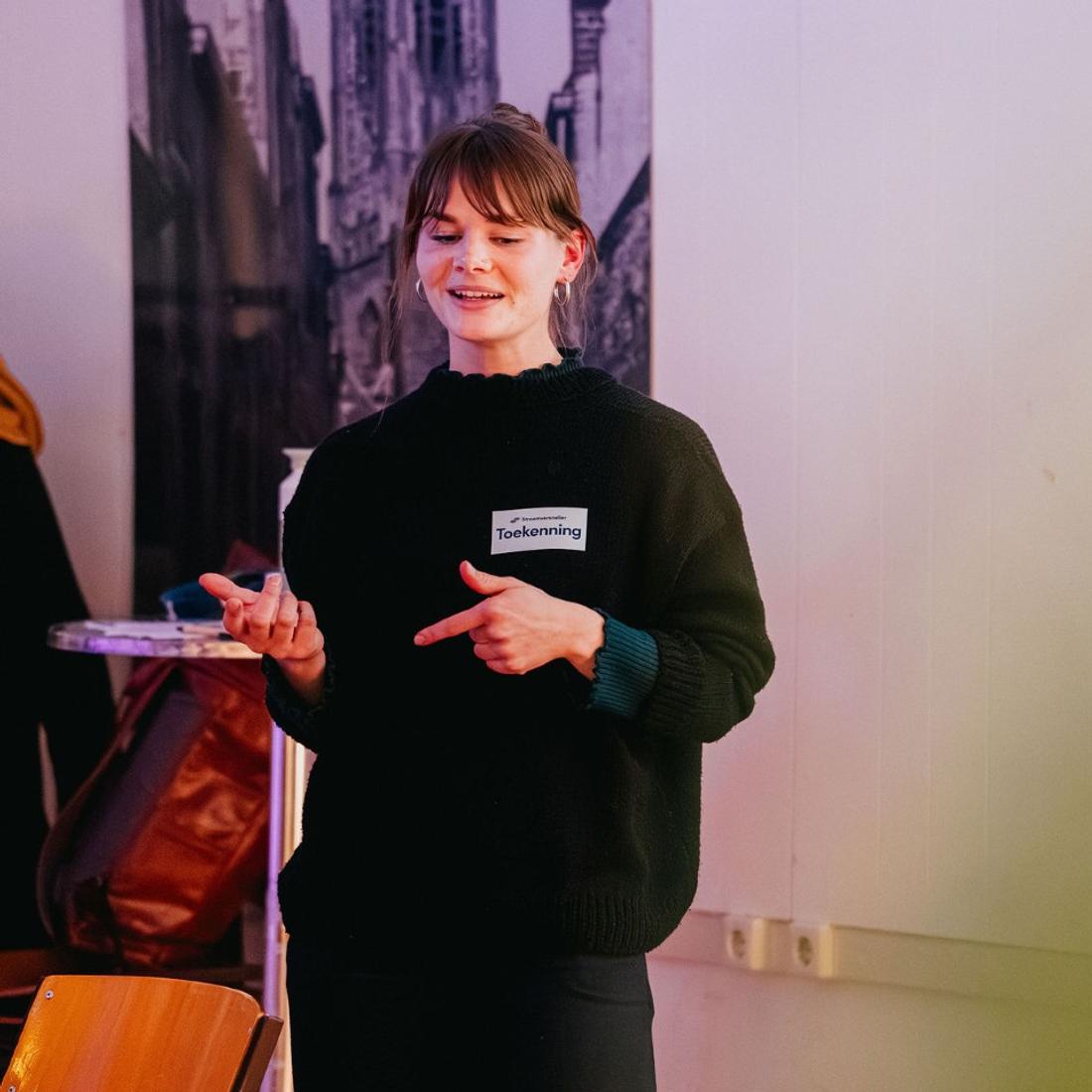
A Guide to Business Leadership in the Cultural Sector
Many cultural organizations are small. As a result, HR tasks often fall to a single person: the executive director, producer, project manager, or artistic director. But where do you start when you’re responsible for a team or an organization? This introductory article will help you get up to speed on HR and management in the cultural sector. Here you’ll find an overview of key topics, frequently asked questions, and links to more in-depth articles.
What are management and HR?
HR ( Human Resources, also known as Personnel & Organization) covers everything related to people within an organization. This includes recruitment and selection, employment conditions, professional development, well-being, and sustainable employability. Management involves organizing people, resources, and processes to achieve shared goals.
In practice, these topics often overlap. This is especially true in cultural organizations, where teams are small and roles frequently combine multiple responsibilities. In addition to budgets, planning, and grant applications, as a business manager, project manager, or director, you’re often also involved with contracts, job applications, team development, absenteeism, onboarding, (in)appropriate behavior, or collaboration issues.
A well-known model that clarifies these various tasks is Dave Ulrich’s HR model. Among other things, he distinguishes between roles in the areas of administration, personnel development, and organizational development. Although many cultural organizations do not have a separate HR department, these responsibilities are often reflected in the day-to-day work of managers and project leaders.
The Employee Journey
HR is sometimes viewed as an administrative function, but in practice, it’s primarily about the journey an individual takes within your organization. From the first job interview to professional development, career advancement, and eventually leaving the company: every phase requires attention.
Within this theme, you'll find articles on:
- A Strong Team: Recruitment and Selection in the Cultural Sector
- From onboarding to professional development: How do you keep employees engaged?
- The Basics of Good Employment Practices
Together, these articles form the foundation of good employment practices within cultural organizations.
Work Processes, Communication, and Overview
Many challenges in organizations arise not from a lack of commitment, but from unclear agreements, packed schedules, or people working at cross-purposes. Working effectively is therefore not just about productivity, but also about setting priorities, communicating clearly, and collaborating smartly.
By consciously focusing on work processes, expectations, and planning, you can create a more relaxed work environment and make more room for the actual work. This applies to individual professionals, as well as to teams and organizations.
Want to read more?
- Here's how to stay organized
- Collaborating Without Misunderstandings: Expectations, Communication, and Processes
- Understanding Organizations, Roles, and Work Culture
Leadership starts with yourself
Before you can lead others, it helps to understand yourself. What gives you energy? How do you handle responsibility? And what are your strengths and weaknesses? Which leadership style suits you and is needed in your organization? That’s why personal leadership and leadership as a profession are closely linked.
Want to read more?
- Discover what works best for you in your career
- Boundaries, Energy, and Responsibility
- Leadership Styles and Theory: What Works in Practice?
- Learning Leadership: Growing as a Leader
Which workout is right for me?
Would you like to not only read but also learn from other cultural professionals? Cultuur Academy regularly organizes training sessions, peer review sessions, and professional development programs in the areas of leadership, collaboration, and organizational development.
Some interesting examples include:
- Generator Oost: A development program for cultural professionals who want to grow in leadership.
- Services available upon request: Training sessions and programs in the areas of leadership, collaboration, and organizational development.
- Calendar: Check our calendar to see if we are currently offering leadership workshops or training sessions.
- Vragen(v)uurtje: Want to bounce ideas off professionals in the field? Sign up for a “ vragen(v)uurtje ” with an expert from our cultural network.
💡 Tip: You don’t have to know everything at once. Many business leaders, managers, and project leaders learn about HR and leadership step by step through hands-on experience. Use this knowledge base as a starting point and choose the topics that are most relevant to you or your organization right now.