
Retrospective: Symposium Accessible Events - how to take the next step!
On Monday, November 25, Cultuur Academy, the Arnhem platform for the chronically ill and disabled (Apcg) and the municipality of Arnhem organized the meeting "Accessible Events, how do we take the next step?
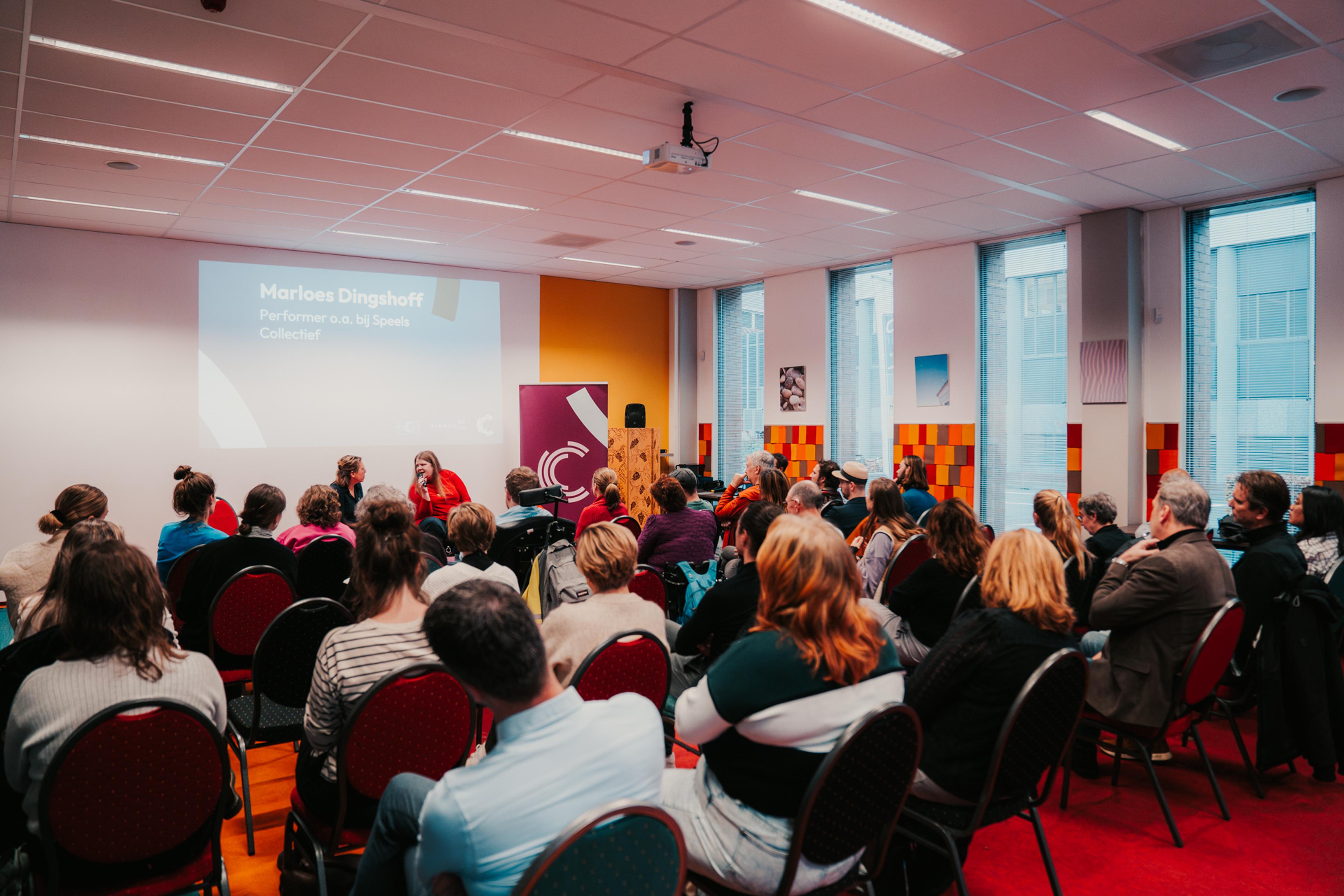
The symposium took place at Geniet in de Weerd, where accessibility is high on the agenda anyway. Upon entering, the visitors were welcomed by Marloes Dingshoff, performer at Speels Collectief and experience expert. Among other things, she explained where the toilet for walking people was: "We did our best and we managed to arrange a toilet, especially for you! If you need help wiping your bottom, feel free to let us know."
Walking bladder
When interviewed at the opening of the day by Esther Dikkers, director of Cultuur Academy, Marloes indicates that she regularly gets the feeling that event organizers treat her "like she's one of those. She notes that it seems she is sometimes seen as a "walking bladder," referring to how often people immediately point out the location of the restrooms to her. Now that the roles were reversed, it suddenly struck me how crazy it actually is when you are pointed out from nowhere that others think you are "different. This was reflected in reactions from the audience, with people indicating that they were confused and that a mirror was held up to them. Creating awareness was successful.

Have your event screened
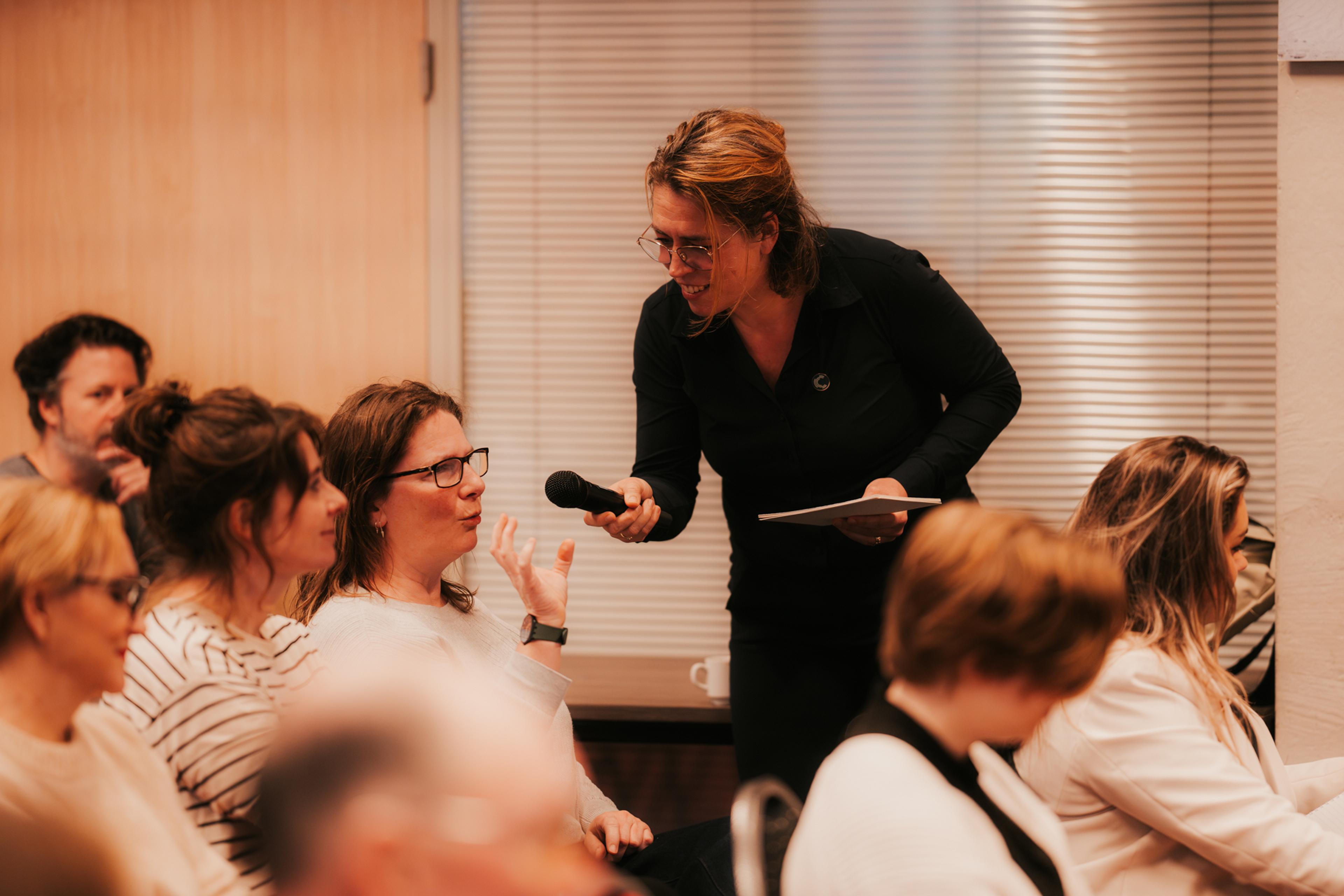
From the Apcg, experts by experience were present throughout the day. Project officer Anne mentioned that the platform also monitors events. From their knowledge and experience, they can give event organizers all kinds of input during the preparation. During the event itself, they write down all the tips for a next edition. Organizers can register to make use of this free of charge. Marjolein van den Broek (president of Apcg), emphasizes that accessibility is a human right and that she hopes that the subject will return in the sustainability ladder.
Accessibility vs. sustainability
That is confirmed by Manon, working for the municipality of Arnhem, who told about this Sustainability Ladder Events (DLE). In this handy overview all kinds of sustainability criteria for events are elaborated. Green Events has developed this together with partners such as municipalities and www.handicap.nl. In Arnhem itself, the municipality and people from the field are also thinking a lot about sustainability. In addition, Apcg has developed a checklist. Hilbrand Harkema (municipality of Arnhem) indicated that organizers are increasingly being reminded of the themes of sustainability and accessibility when applying for subsidies and permits. The coming period will see how and in what form the inclusion of these themes will be made conditional.
Sjoerd Los of Cultuur Academy points out that organizers can already visit the knowledge base with articles and materials that help with accessibility and sustainability in the cultural sector, among other things. For all themes, an animation has also been created to help briefly summarize the topic:
The depths
The remainder of the day included several workshops. The Apcg led a session on the accessibility of communications at and around events. In the afternoon, led by the Accessibility Foundation, there was a more specific focus on digital communication tools. An expert by experience shared what challenges arise in the online field and gave practical tips for making apps, websites and social media more accessible.
The low-stimulation cultural workshop was led by Iris of Stichting Onbeperkt Genieten. About 6 million people in the Netherlands experience some form of overstimulation. Everyone present recognized this, either in themselves or in someone close to them. The passing traffic on Weerdjesstraat illustrated this and the blinds were closed because several participants became distracted. Cultural organizations can find solutions in the corner of informing, facilitating and programming.
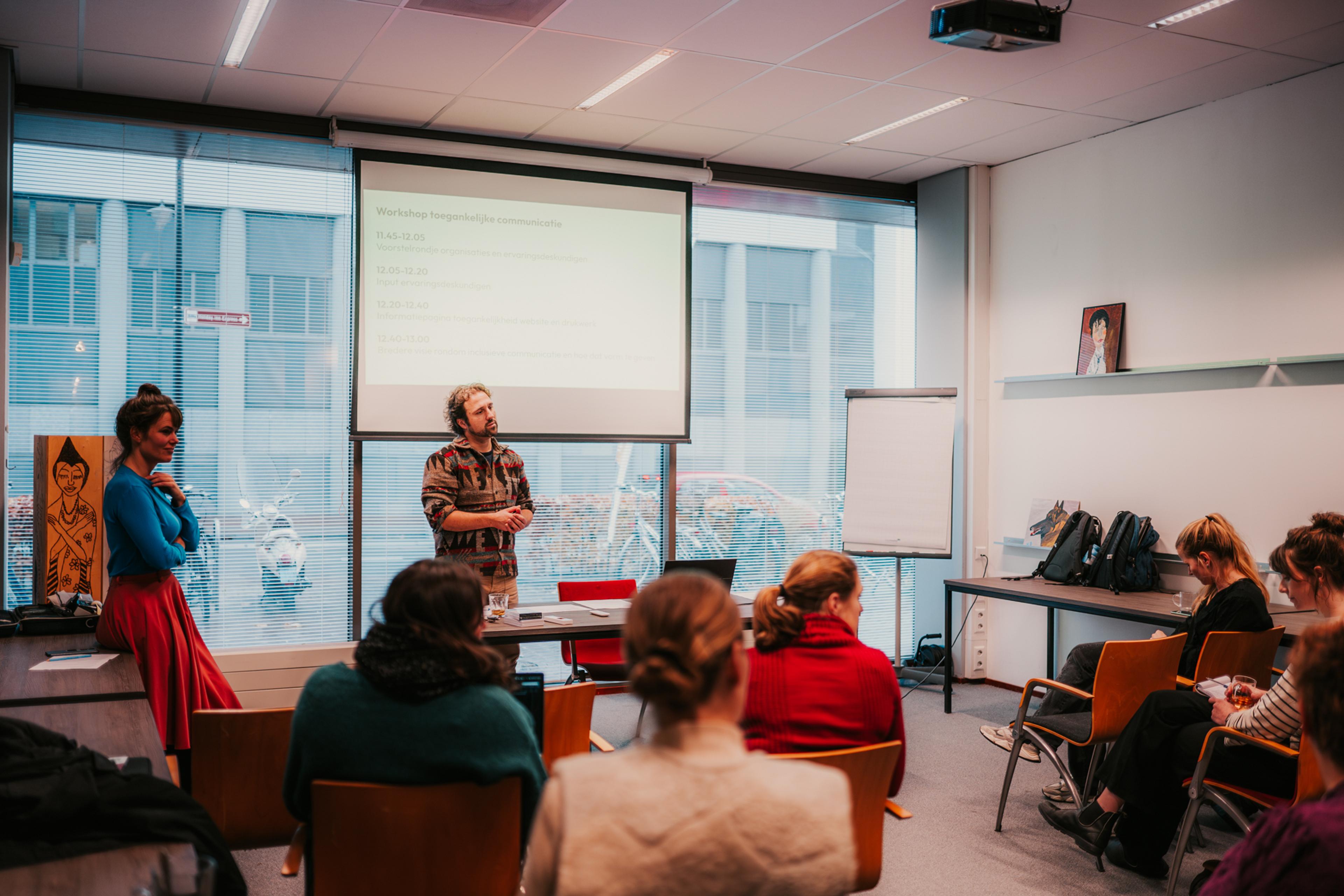
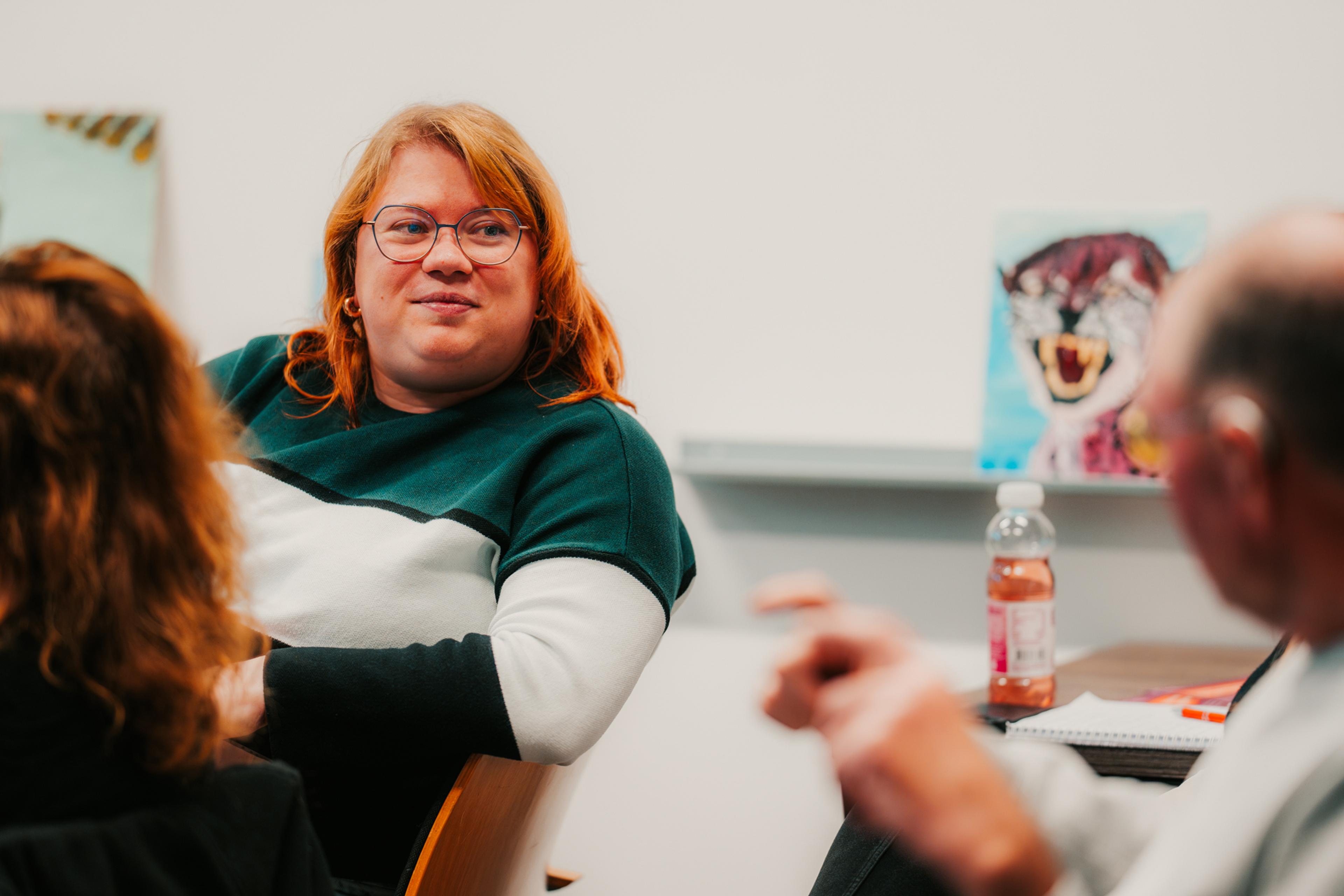
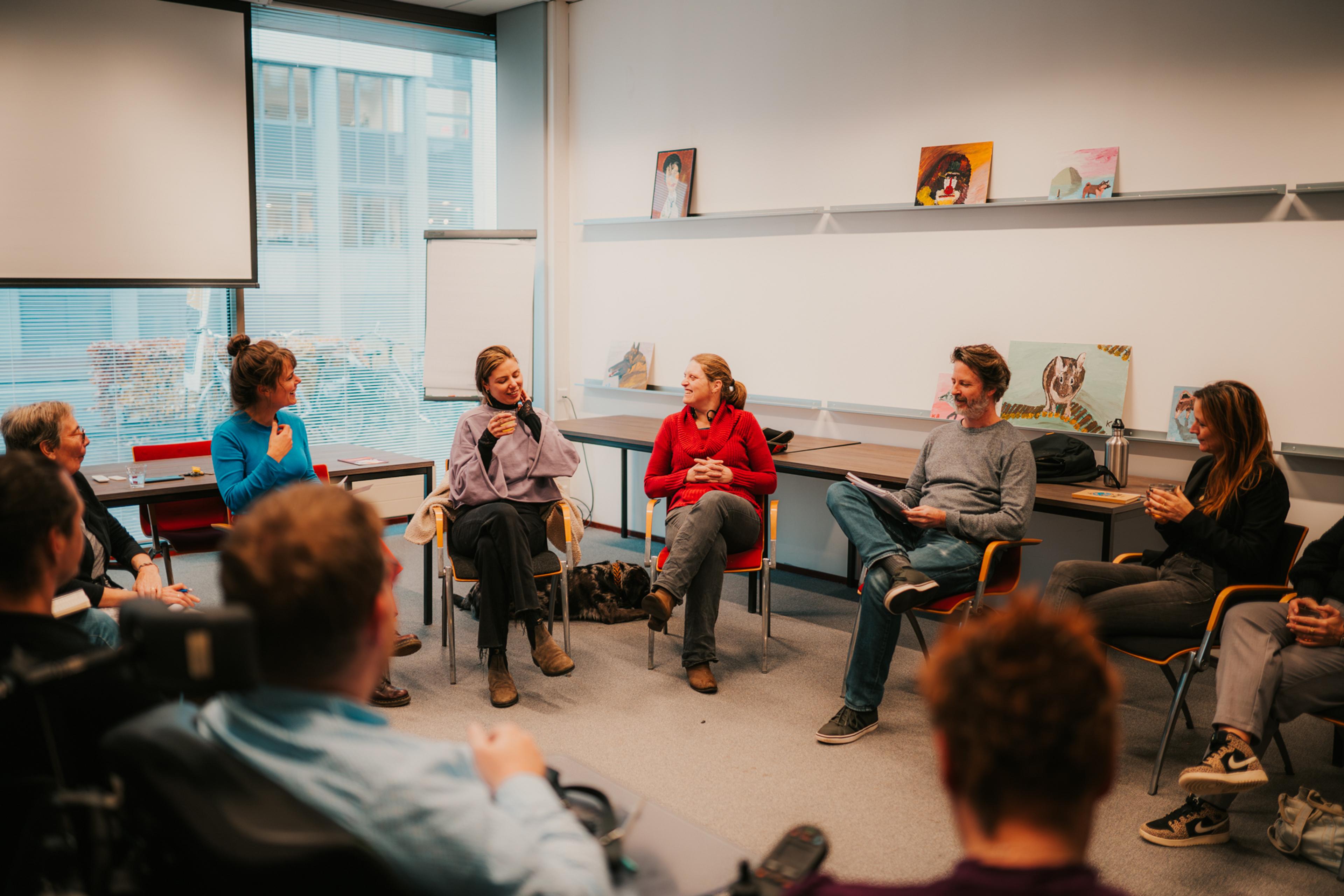
During a circle discussion, experiencers Isis, Jan Willem and Maaike told when they felt truly welcoming and pleasantly treated. They mentioned all kinds of positive examples but also very unpleasant experiences were shared. Because they used a lot of humor, the room went back and forth between cheerfulness, amazement and indignation.
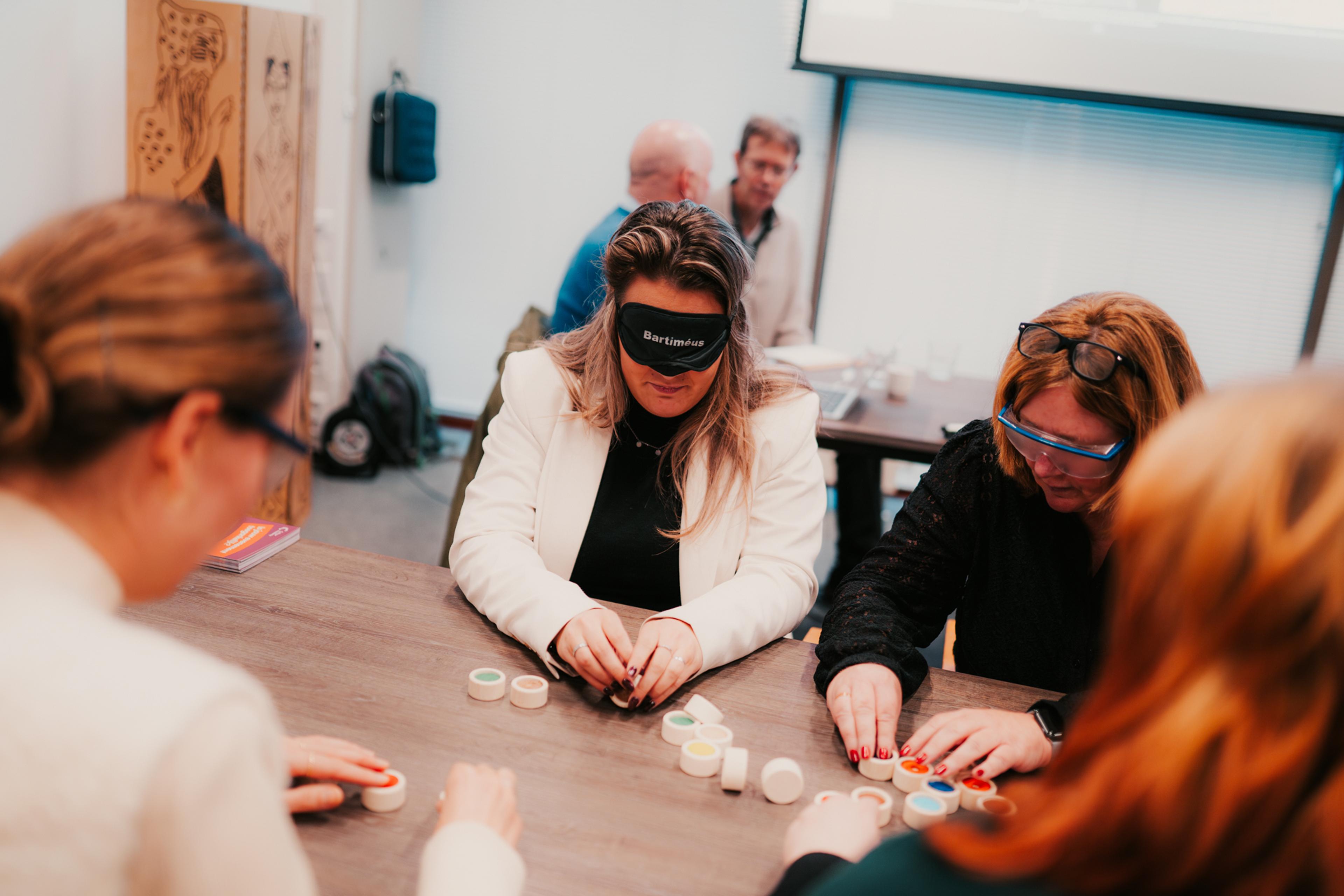
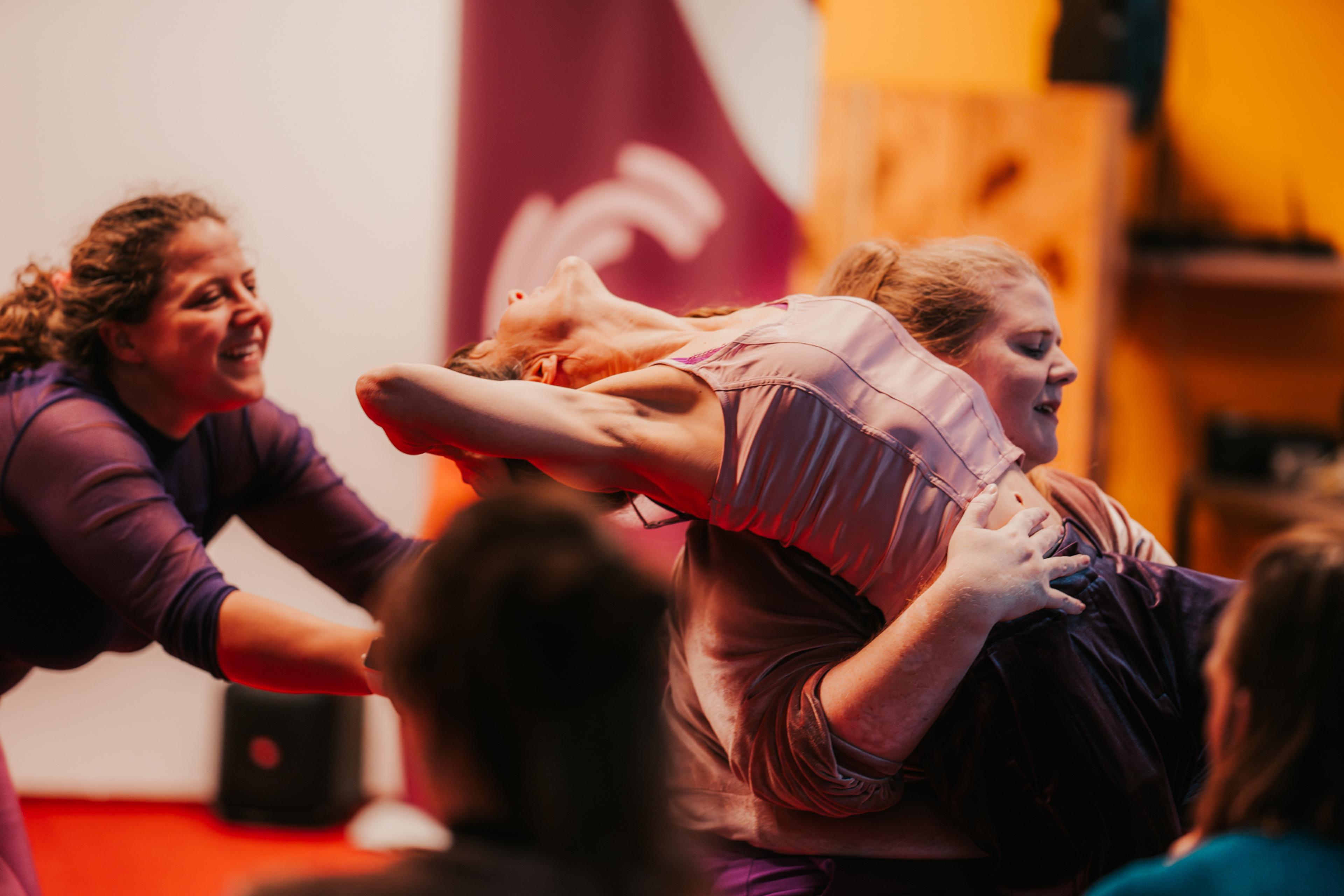
To be truly inclusive, an event must be accessible not only to visitors but also to performers and companies. At the interactive knowledge session Creative Access, everyone was "taken" to the stage and backstage by Speels Collective, a diverse, mixed-abled theater company. The accessible programming workshop also focused on the creative interpretation of an event, with practical tools provided by New Pack.
Podcast accessible events
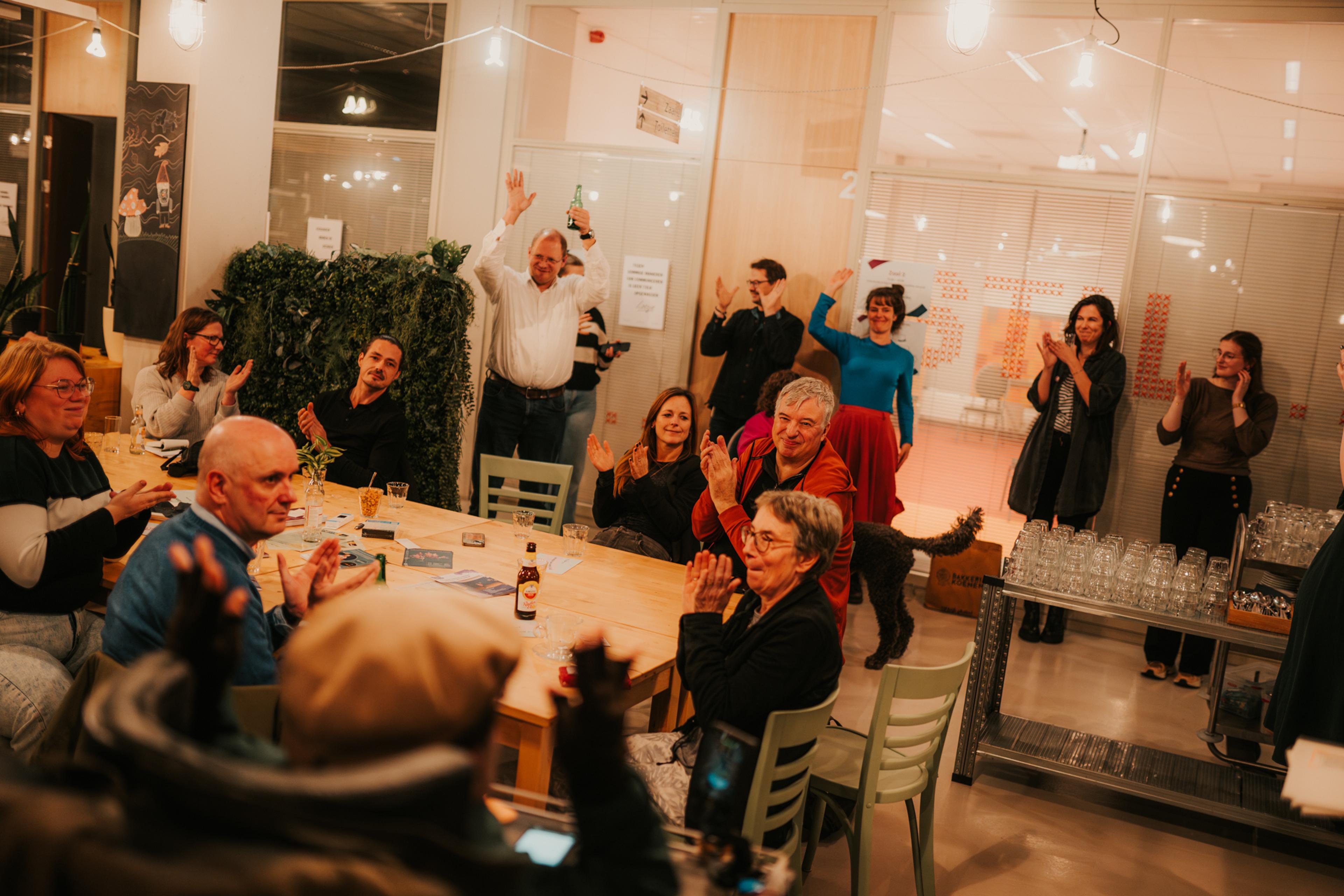
At the conclusion of the day, Cultuur Academy director Esther Dikkers spoke with Tim Kroesbergen, who has made five episodes of a podcast about accessibility for Cultuur Academy . In it he discusses his own experiences and speaks to experts and experts by experience about the five accessibility themes that can be found in the Cultuur Academy knowledge base: communication, physical accessibility, auditory accessibility, visual accessibility and program. Listen to the podcast episodes here.
Win €2500 and improve the accessibility of your event!
Do you have a plan to make (part of) your event more accessible and could use some extra support? Then send us your plan and get a chance to win a €2500 voucher! A jury with representatives of the Arnhems Platform Chronisch Zieken en Gehandicapten (APCG), Cultuur Academy and the municipality of Arnhem will judge the plans on ambition, feasibility and impact. On January 30, during the kickoff of the event season in Theater Oostpool, the winner will be announced. You can submit until January 15! Read more.