An accessible program
It would be a shame if certain parts of the program could not be experienced as intended. This means that the program should also be accessible to people with physical, mental, intellectual, or sensory disabilities. In this article, we’ll discuss the accessibility of the programs offered by cultural institutions and event organizers.
In this article, we’ll discuss the accessibility of the programs offered by cultural institutions and event organizers. It would be a shame if certain parts of the program couldn’t be experienced as intended. This means that the program should also be accessible to people with physical, mental, intellectual, or sensory disabilities. They are an important target audience for organizers. These individuals sometimes need a little more assistance, or accommodations must be made for them. These accommodations include not only physical modifications at the venue but also adjustments to the program itself or the way it is presented.
What does “making the program accessible” mean?
It is important that everyone be able to follow and understand the performance and everything surrounding it. This ensures that it is also accessible to people whose bodies function differently, allowing them to enjoy the experience. Everyone benefits from finding their own way to enhance that experience. Here are a few examples:
Tell the story beforehand
Make sure you have an audio recording available so that people with intellectual disabilities know in advance what the show or performance is about.
Seats for wheelchair users
It’s best when areas for wheelchair users are as accessible as possible and integrated among the other visitors. It’s important, however, that they’re able to follow everything that’s going on. If that’s difficult, you might consider setting up a separate area or a raised platform, for example.
Low-Stimulation Program
You could put on a special performance that uses less light, sound, and other effects—or uses them in a different way. That way, people who are sensitive to sensory stimuli can enjoy it more. The Onbeperkt Genieten Foundation has a wealth of information on this topic.
Meet and Greet
Instead of a “meet and greet,” you could give blind and visually impaired visitors the opportunity to touch the actors, costumes, and props beforehand. This would make it easier for them to form their own mental image of the performance.
Practical Tips
Below are a few more practical tips on how to effectively communicate the program to all attendees and make it accessible to everyone.
Audio Description
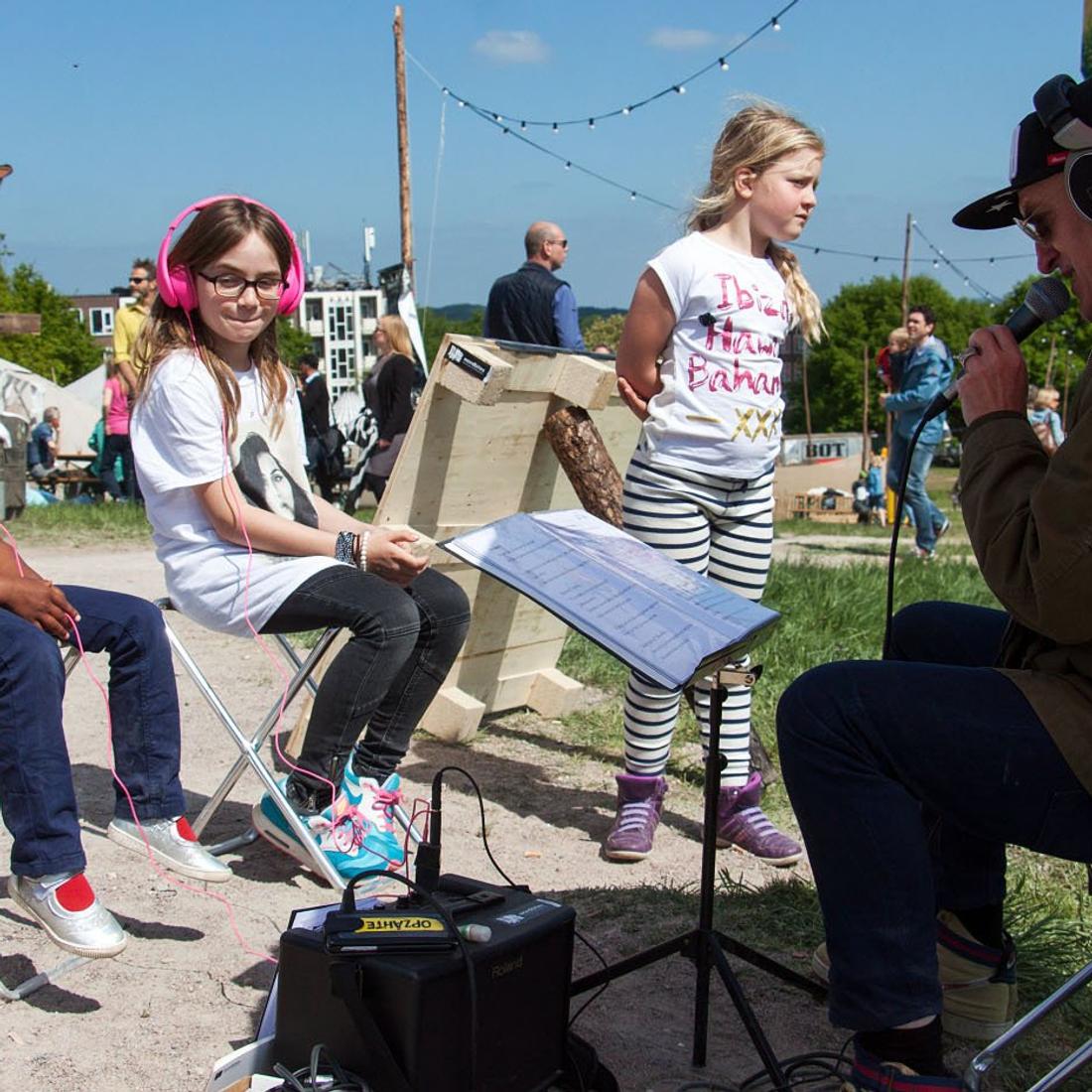
When this is used during a performance, blind and visually impaired people can hear what’s happening through headphones. Someone who is also present at the performance describes all the visual elements. The Komt het Zien! Foundation knows all about this.
Audio Description
You can make a recording in which you clearly explain what will happen during the performance or event and what you'll see.
Subtitles
It might be possible to project the lyrics that are being spoken or sung above or next to the stage.
Loop System
In theaters or concert halls equipped with an induction loop system, people who wear hearing aids can hear the sound without being disturbed by background noise.
Smartphone Use
Many people with visual impairments are adept at using smartphones. For example, you could make a program or a menu available as a PDF file. They can then read it using text-to-speech software.
Dutch Sign Language Interpreters
You can use an interpreter who translates the spoken words on stage into sign language. These interpreters can be hired through Tolkcontact, for example.
Accessibility Checklist
A very useful checklist has been created for organizers, institutions, and venues, which provides a comprehensive overview of the various aspects of accessibility. The checklist includes an explanatory note that refers to specific appendices. You can find all of this in a single document available for download on this website.
Interesting links
We have received a number of interesting links from the Arnhem Platform for the Chronically Ill and Disabled (Apcg). Here you can find inspiration or learn more.
Audio Description
In this clip, Hilbert from the Komt het Zien! Foundation explains how to make a performance accessible to people with visual impairments.
In this segment on EenVandaag, a woman who has been blind for several years explains how she and other people with visual impairments are able to watch television.
Experiencing Music Through the Eyes of People with Hearing Impairments
This segment is about a sign language interpreter at the Eurovision Song Contest. A "signdancer" was used at concerts by artists such as Snoop Dogg and The Beastie Boys. The Sencity Festival is an immersive event for people with and without hearing impairments.
Low-stimulus events
This article discusses the number of hours during the Tilburg fair that are specifically set aside for people who are more sensitive to things like noise or flashing lights.
Visiting a Museum with a Visual Impairment
Museums are also actively working to develop their offerings in a way that allows people with visual impairments to enjoy art as well. Take a look at this report from NOS and this video on nu.nl. Finally, this PDF from Studio I contains information, tips, and a free toolkit that are particularly useful for museums.
Disclaimer
For this article, we drew on the knowledge and expertise of the Accessibility Foundation, the Arnhem Platform for the Chronically Ill and Disabled (Apcg), the 5D Foundation, Wolfpack, and the City of Arnhem.
If, from your expertise, you yourself have knowledge that would fit this topic, or if you see opportunities to improve this text, we look forward to receiving your message at info@cultuuracademy.nl.