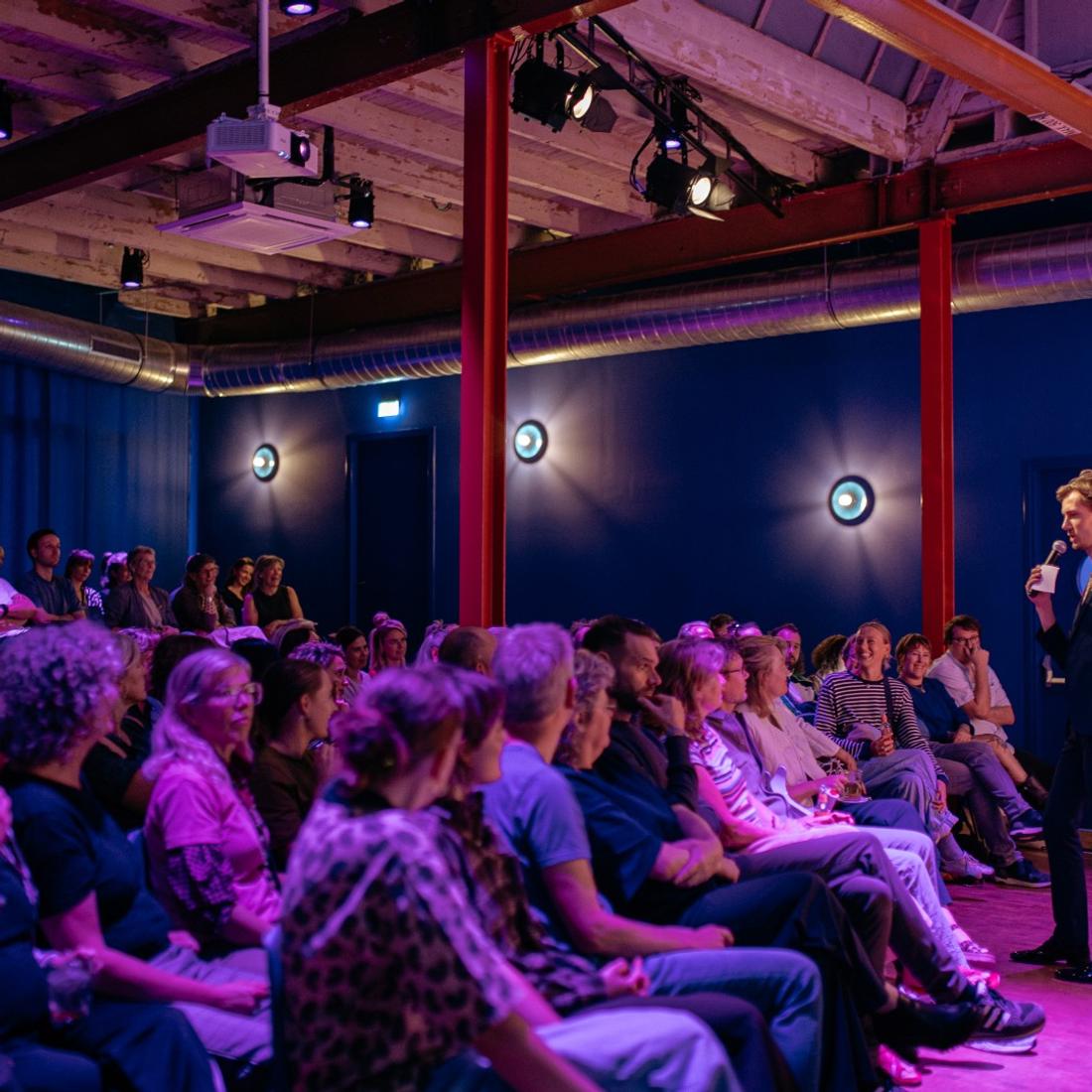
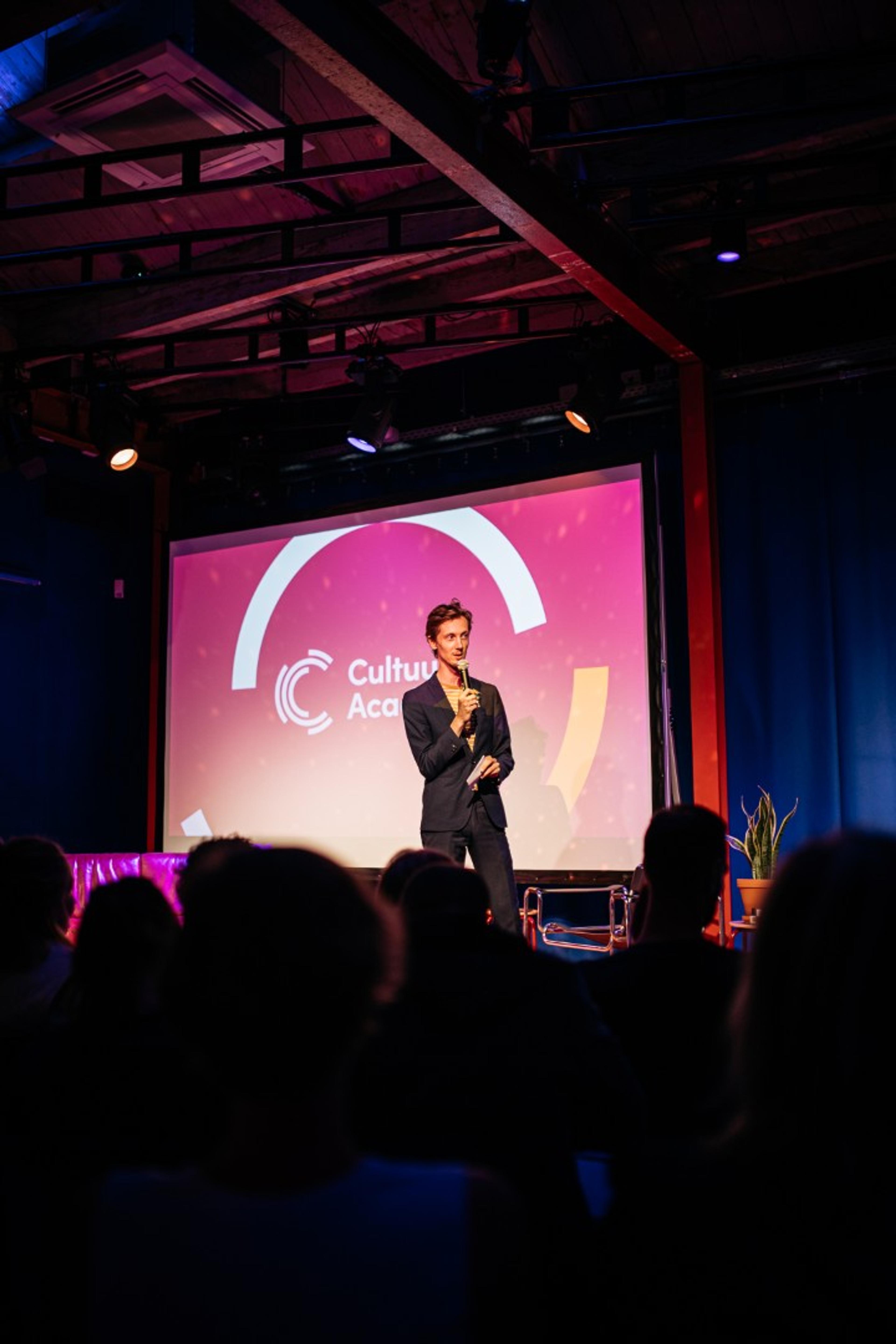
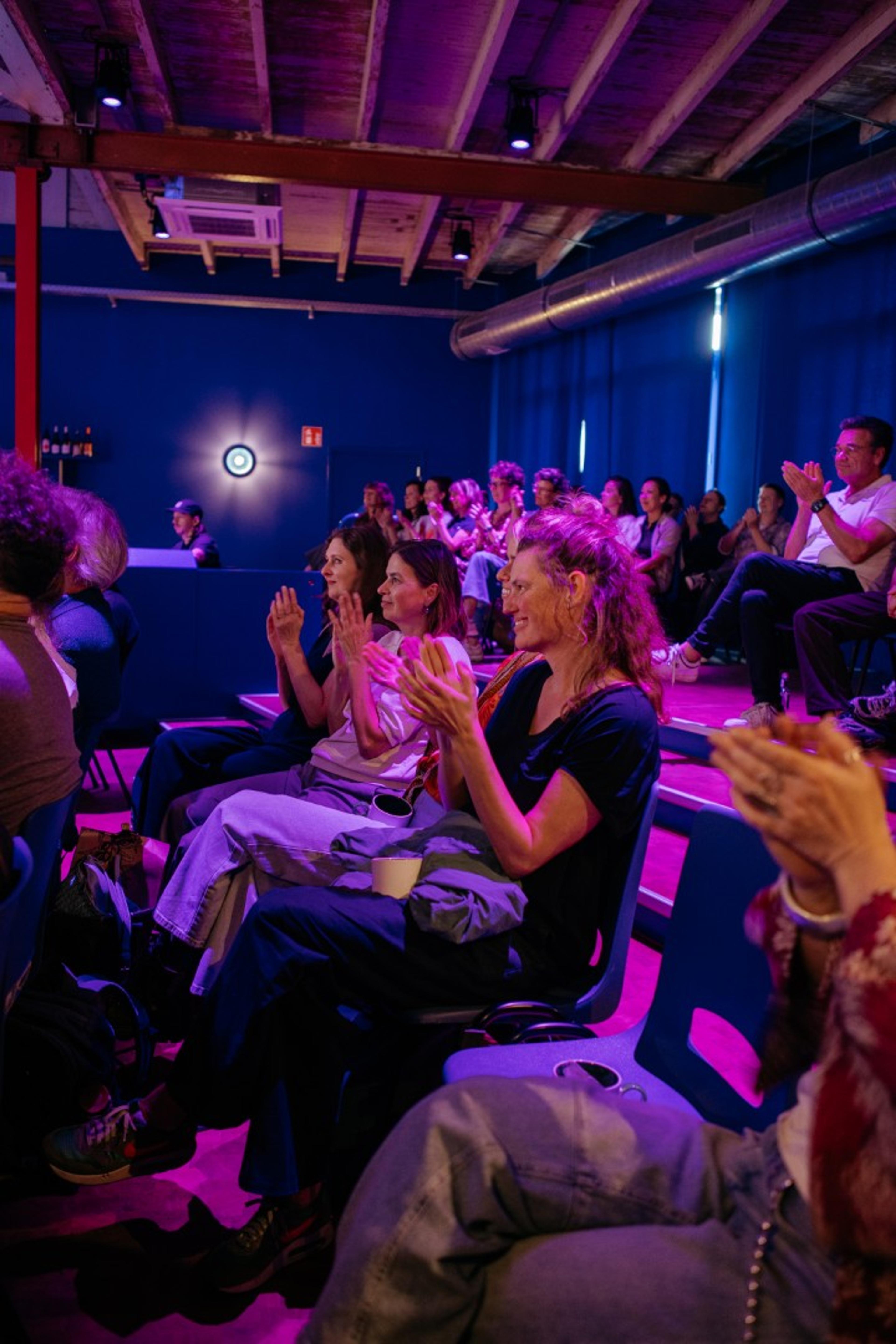
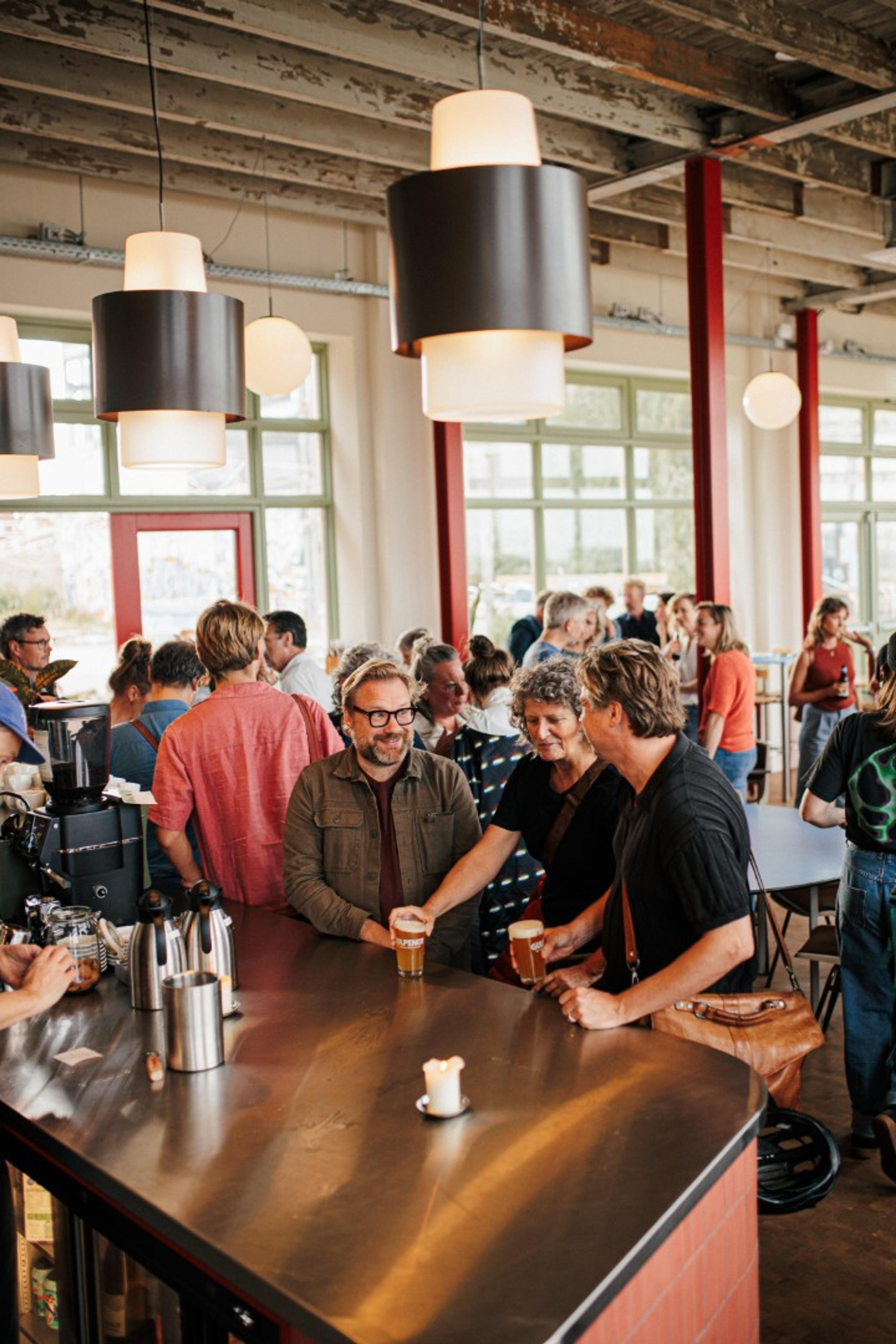
Without space, there is no culture. But as cities grow, so does the pressure on affordable spaces for artists and cultural organizations. During the sold-out eighth edition of “Over de Grens” at BLIK in Nijmegen, Jelko Arts spoke with artists, organizations, and local governments about the question: How do we create and maintain space for culture?
From Cultural Aspirations to Municipal Policy
Stef Katwijk, arts and culture advisor for the City of Arnhem, and Riemer Dekker, cultural policy advisor for the City of Nijmegen, both work at the intersection of culture, urban planning, and municipal policy. And that, it turns out, requires patience. Cultural interests compete with many other spatial challenges. That is precisely why it is important for municipalities to continue gathering stories and needs from the cultural sector and translating them into policy. Both Arnhem and Nijmegen make room in their policies for creative hubs and cultural venues. Stef sees it as his task to ensure that the interests of the cultural sector ultimately make their way into the council chamber. “That’s the least we can do.”
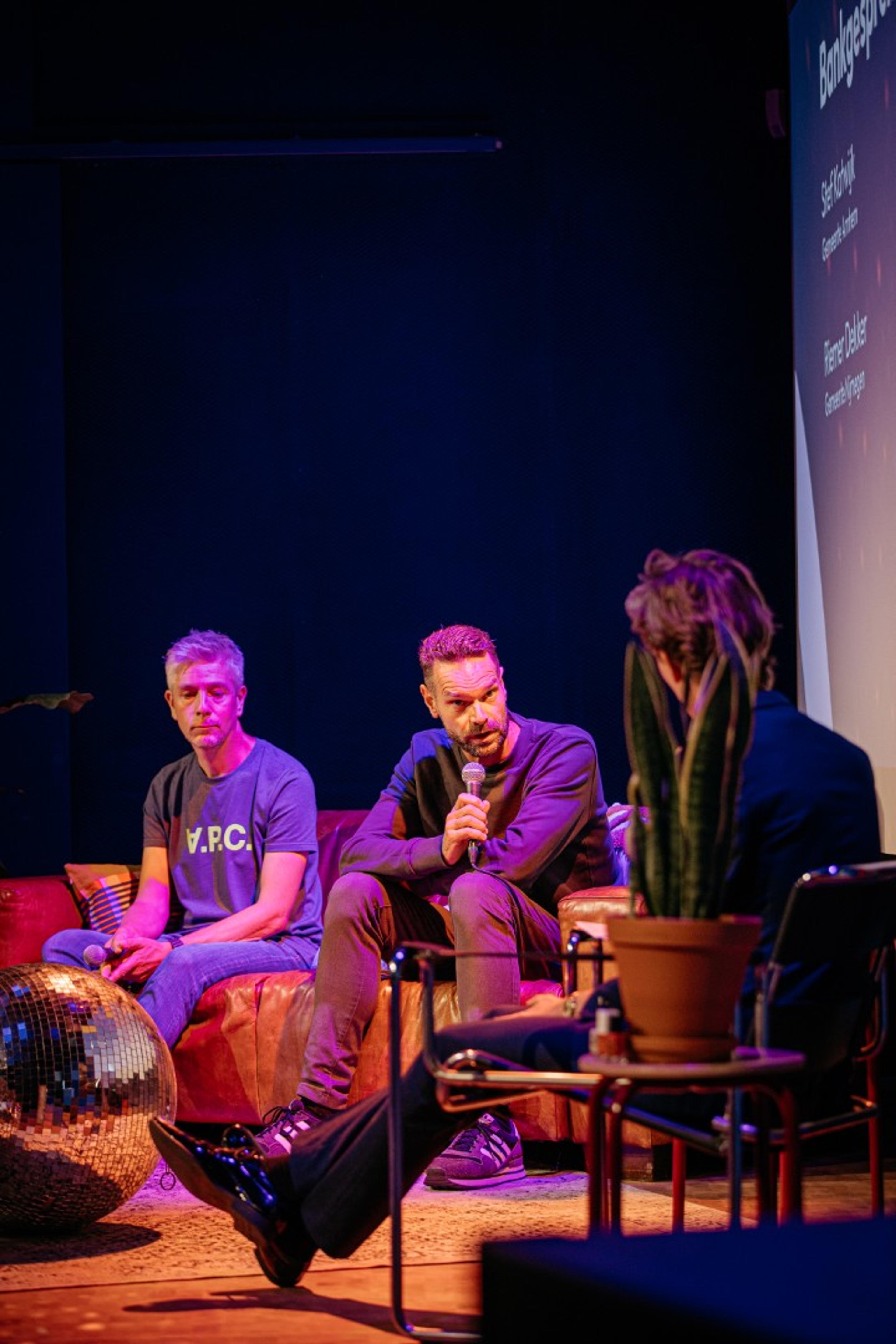
Conversely, the sector itself can also exert influence. Riemer cites a joint manifesto as a powerful tool for organizing as a sector and making your voice heard at decisive moments: “A united voice sends a strong message.” In Nijmegen, this takes shape, among other things, through the creative hub policy.
Having a place means relating to your surroundings
What does it mean for a cultural organization to set up shop in a neighborhood? Marije Tangelder is the founder and executive director of Collectief Koppig, a creative workshop and foundation in the Presikhaaf neighborhood of Arnhem. After years of uncertainty, Collectief Koppig now has a five-year lease. This provides stability and the space to continue building—on its program, its organization, and its relationship with the neighborhood. Building trust takes time. When you know you can stay somewhere longer, it also becomes easier to form lasting connections.
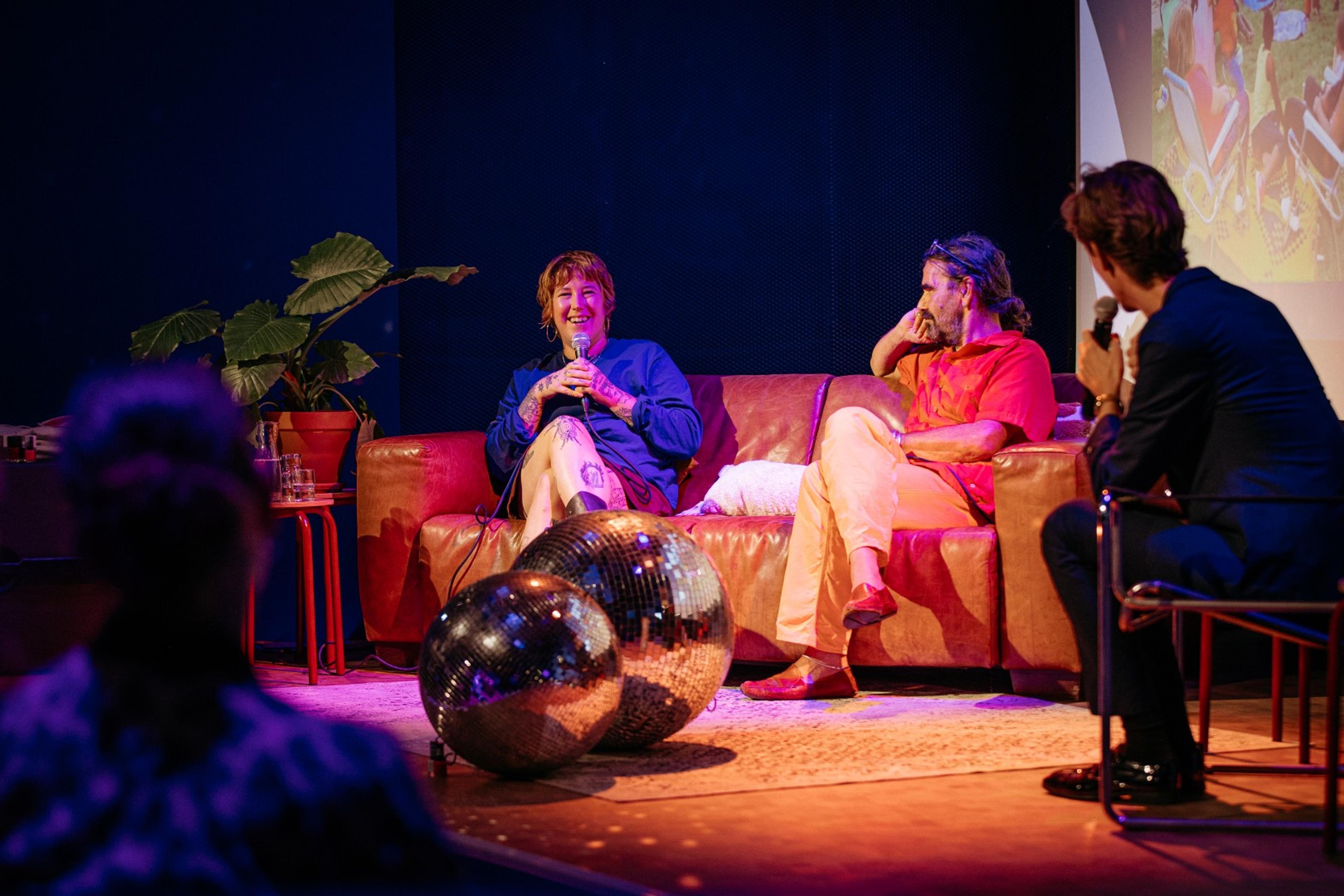
When it comes to new cultural venues, the city of Nijmegen is increasingly focusing on that relationship with the surrounding area. It’s not just about what you want to create here, but also about where you’ll end up and how you want to relate to that place and the people around it. For Godfried Verstegen, the creator and builder of Brebl, space is primarily about what becomes possible within those walls. Artists need to be able to grow there, and audiences need to be able to discover it. And although uncertainty about housing is part of the deal, he puts it into perspective: “If you have a roof over your head, you’re already halfway there.”
Build Your Own Breeding Site
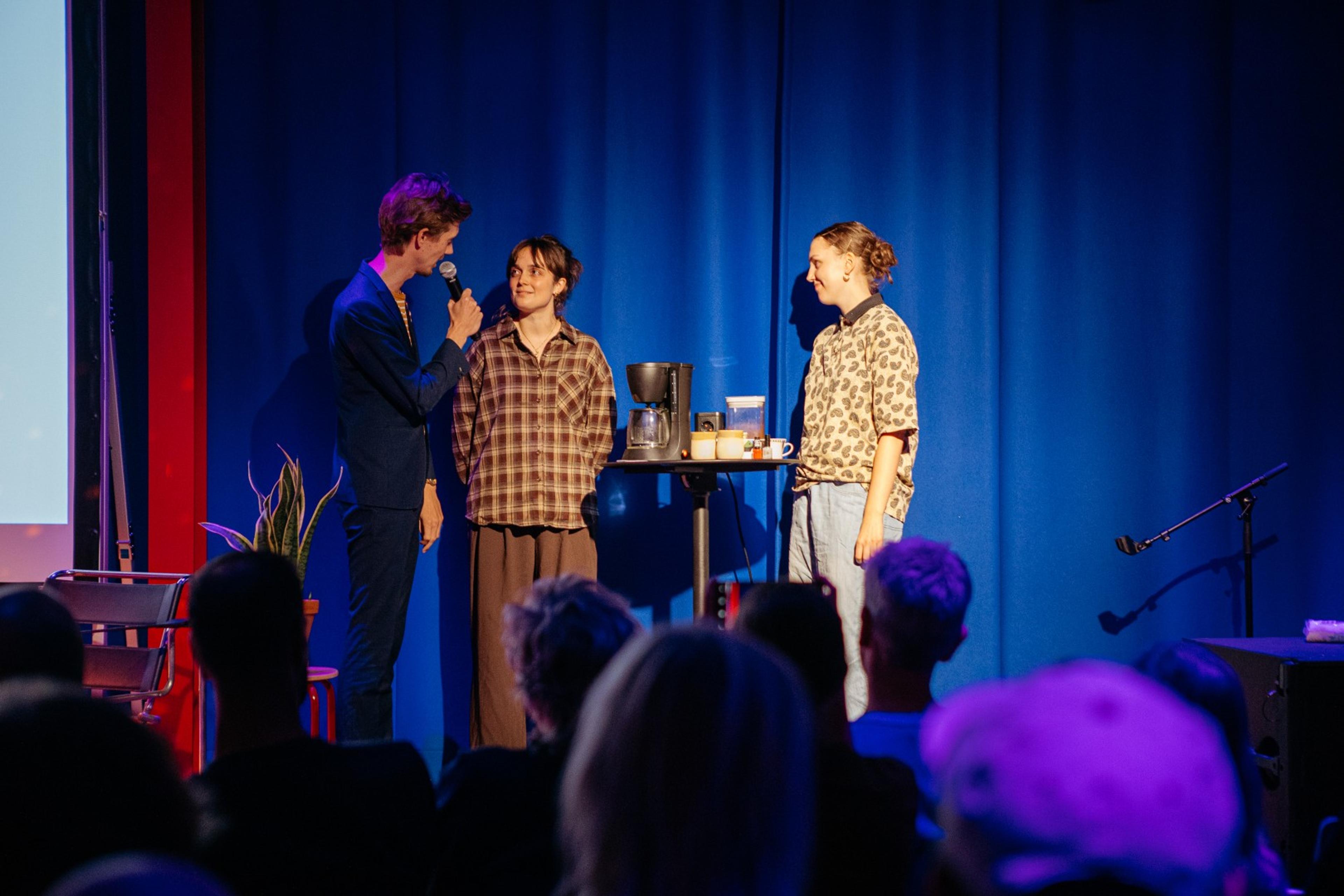
During the regular segment “By the Coffee Machine,” we were introduced to Grondlab, an art collective consisting of Liedeke Taen, Carmen Molenaar, Iris van de Wetering, Nathalie Geurts, and Kyra van Erp. The five artists transformed a former cafeteria on Joris Ivensplein in Nijmegen into a space for collaborating, experimenting, and sharing their work. “I missed having a place to create and to share that with other artists,” says Liedeke. Using crowdfunding, the artists renovated the building, while the city provided utilities such as water and electricity. Over the next three years, they’ll be able to work there on exhibitions, workshops, and other activities. Want to drop by? You’re more than welcome.
How does moving affect your identity?
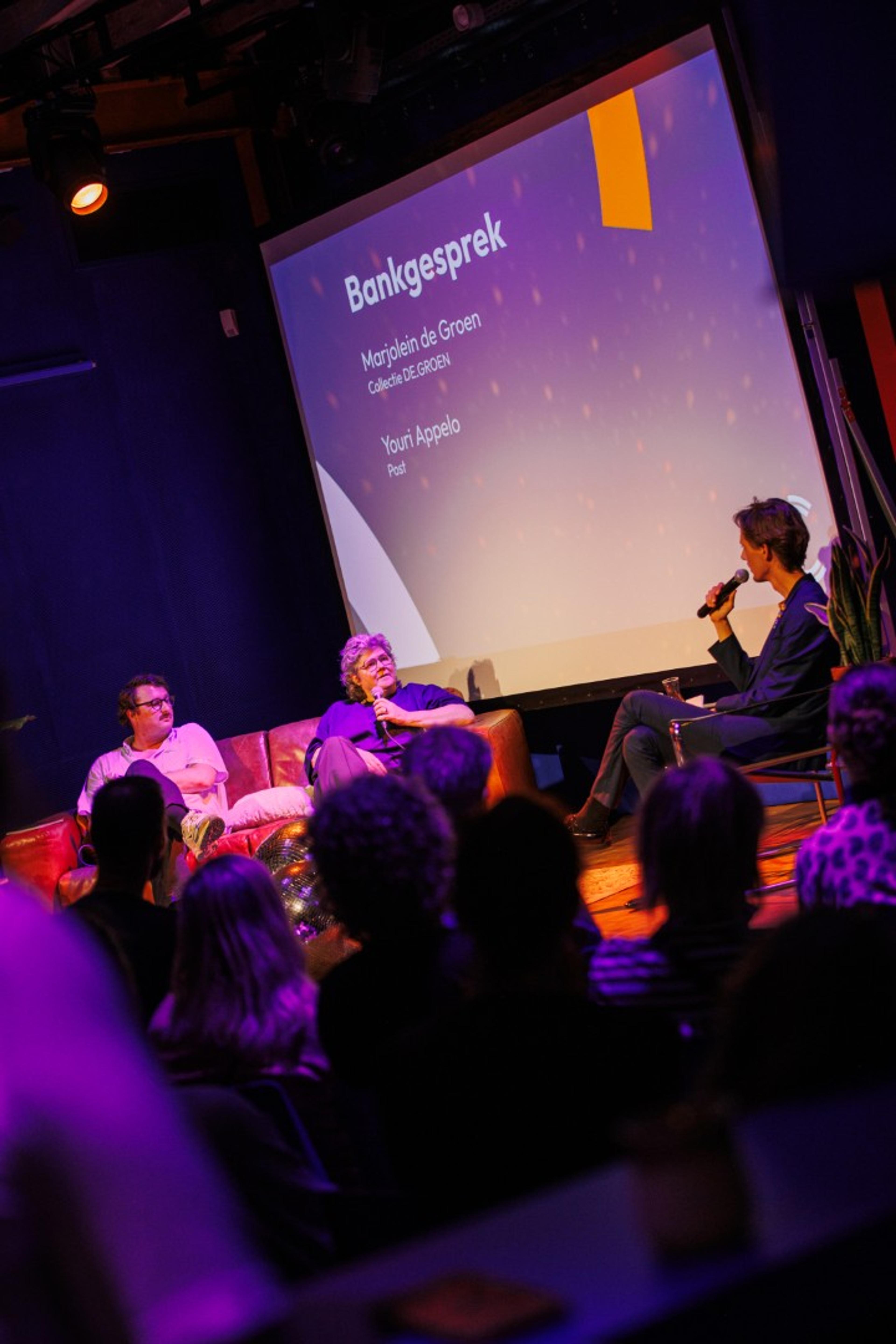
A new location can also mean having to redefine who you are. The DE.GROEN Collection, a growing private collection of nearly five hundred works of art, deliberately traded its central location in Arnhem for a different one. The sheer volume of activities at the old building was starting to take too much energy. At the new location, the collection can focus more specifically on what it stands for. Marjolein de Groen takes a down-to-earth view of the choice of location: “There aren’t that many places out there, so you have to be lucky to find a piece of land.”
Platform POST, on the other hand, took the opposite approach. In Nijmegen and Arnhem, POST showcases artists from the Netherlands and abroad, and provides a space for experimentation, engagement, and collaboration. In Arnhem, POST moved into the former DE.GROEN building, a space that was already well-suited as an exhibition venue. In Nijmegen, the organization made the move from the Paraplufabriek to NYMA. So sometimes you spend years searching for the perfect spot. And sometimes an opportunity comes along at exactly the right moment.
The baton goes to FRIDA Book Café
During Pass-m-door, a cultural organization passes the baton to a creator or initiative that they believe is worth keeping an eye on. This time, it was Café De Kurk’s turn. Peet Bouwens, the founder of the Arnhem-based queer café, had previously received the baton from Café de Plak and is now passing it on to FRIDA Book Café.
FRIDA is a nonprofit social enterprise dedicated to fostering community and bringing young people together. Based on the idea that a strong community can help combat mental stress and loneliness, they are building a space where people can meet, eat together, and organize their own activities, such as book clubs and events. With support from the IGNITE Award, FRIDA is now expanding to Nijmegen. They have since found a location at 85 Lange Hezelstraat, where the café will open in December.
Queer Art and Community
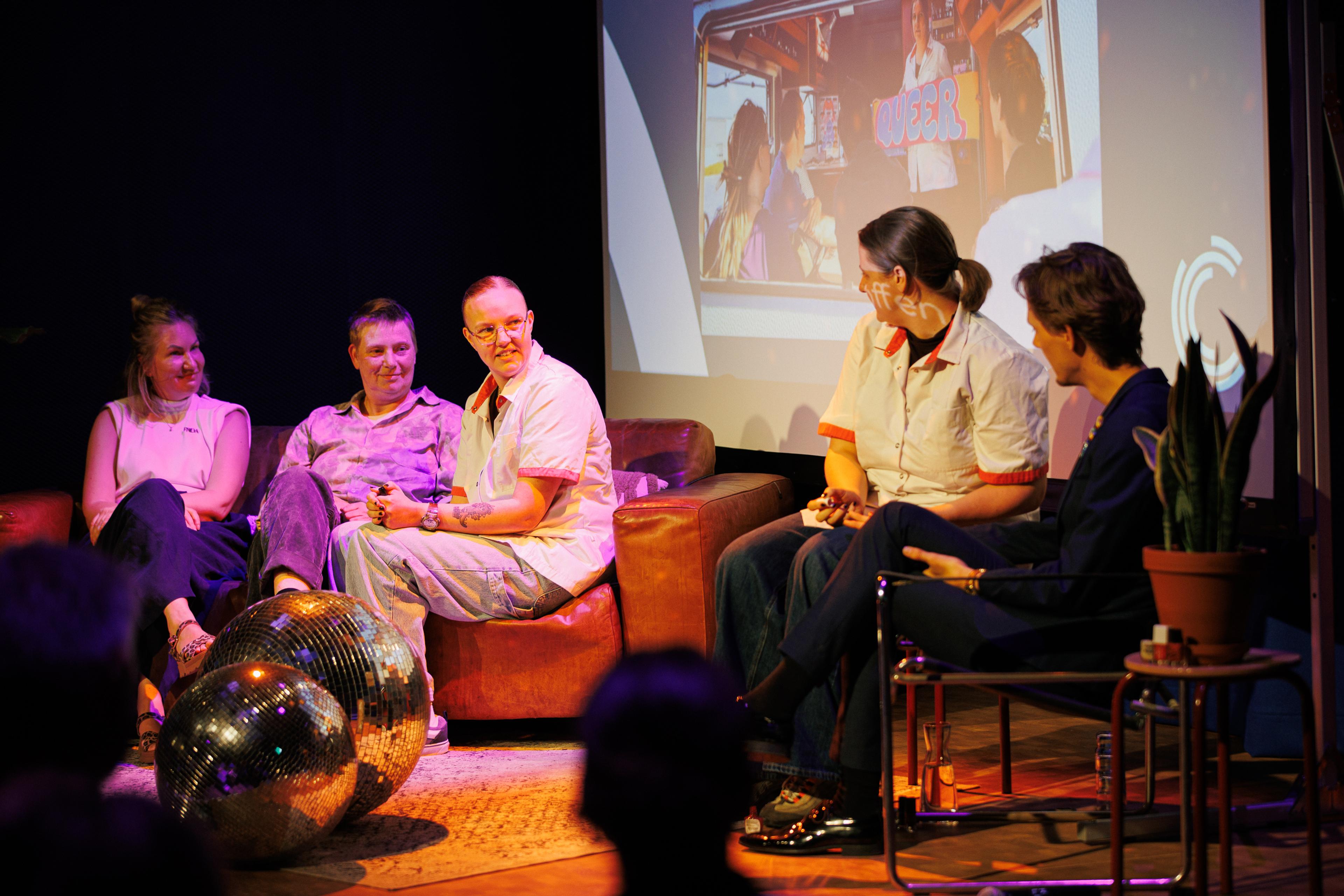
The afternoon ended with Bi&deLes, an Arnhem-based artistic community focused on theatrical education about queer identity. The initiative, founded by Anouk van Lith and Minne Thomas, provides a space for queer art and connection. During Over de Grens, Anouk and Minne performed a scene from *De Salon*: an interactive performance about gender identity. Dressed as two manicurists, they began painting nails among the audience. Meanwhile, a seemingly lighthearted conversation gradually shifted toward queerness, gender norms, and the history of David Bowie. Until, ultimately—and quite fittingly—he literally emerged from the closet. Peet said of the creators: “Queer creators need a space. It’s such a revelation to see how they claim that space.”
What stuck with you?
- Space is more than just square meters. Affordability and availability are important, but so are security, continuity, and the ability to truly settle down somewhere.
- Make your voice heard as a sector. Municipal policy doesn’t just happen on its own. Get organized, speak up, and highlight why space for art and culture is important.
- A place comes with responsibilities. When you settle in a neighborhood, you also develop a relationship with your surroundings. Trust and connection take time.
- Temporary spaces can spark a lot of creativity. Initiatives like Grondlab show what can happen when creators are given the chance to build a space of their own.
- A move can also bring about substantive changes. A new location sometimes forces organizations to rethink their identity, audience, and way of working.
- Space gains meaning through what you do with it. Ultimately, it is the creators, organizations, visitors, and local residents who turn a building into a cultural space.
Photos: Joost Klapmuts