From “Welcome” to “Inclusive”: How Cultural Organizations Can Truly Make Room for Everyone
How can you make your organization truly inclusive and welcoming to everyone? In this article, Shayne McCreadie—a D&I facilitator, trainer, and coach, and founder of De Cultuurshifters—explores what inclusive programming and marketing mean in practice. From taking a critical look at target audience models to engaging new visitors and forming partnerships.
The Netherlands is constantly changing, and so is its cultural landscape. We are becoming increasingly aware of the consequences of our colonial past, which means that the average Dutch person can no longer be defined by a single ethnicity or religion. Few people are surprised anymore when you attend a performance with a same-sex partner, and low-stimulus performances are increasingly becoming part of the lineup at theaters and performance venues. Cultural organizations are making great strides to catch up and diversify their offerings. But where do you start?
By Shayne McCreadie—facilitator, trainer, and coach with expertise in DE&I and Deep Democracy, and founder of De Cultuurshifters.
What do you want to achieve, and who are you doing this for?
When you decide that you want to attract a new audience, there are a number of questions you can ask yourself. Do you want to attract a new audience to existing programs, in which case it’s important to come up with different marketing messages? Or do you want to develop new programs to reach a new target audience (or both)? In practice, it’s usually a mix of both.
Inclusive programming and marketing go beyond simply reaching a new target audience. It also means recognizing that, within a single target audience, visitors have very different experiences and needs. And it means taking responsibility for structuring your organization and programming in such a way that everyone feels welcome—regardless of religion, background, body, gender, or sexual orientation.
A Closer Look at Target Audience Models
Many marketers base their understanding on target audience models, such as Whize or the Cultural Target Audience Model. However, these models take very little account of diversity: a bicultural background, a physical disability, or a relationship outside the heteronormative framework are scarcely represented in them. In Whize’s brochure, for example, we hardly see any people of color. The “Just Average” segment is even depicted as a white family—father, mother, and two teenage children. There’s nothing wrong with that in and of itself, but by calling this “average,” large groups fall outside the norm: 25% of the Dutch population without children, 25% with an immigrant background, and about 15% who are LGBTQI+. That isn’t neutrality—it’s exclusion.
The Cultural Target Audience Model is much more inclusive. In the brochure, we see people of different ethnicities, which means that cultural representation is largely successful. Yet even here, some groups are left out. For example, there are no visitors with a visible physical disability: no wheelchair users or people wearing hearing aids, even though the Netherlands has about 1.5 million deaf and hard-of-hearing people. Religious symbols are also missing, such as an Islamic hijab.
That is why, in addition to these models, it is important to take a critical look at what true diversity among your visitors means for your organization.
From Assumptions to Insights: Who Do You Reach (and Who Don't You Reach)?
The first question you should ask yourself is: Who is already coming, and who aren’t we reaching yet? Instead of guessing, it helps to look at your city’s actual statistics and compare them with the makeup of your audience. Do you see that same diversity reflected in your theater?
The second question is: What are their needs? Many organizations rely on their gut feelings here, but talking to the target audience works better and doesn’t have to be complicated at all. You can do this by chatting with your neighbor, a customer at the nail salon, or by organizing a focus group with people who have never been to your theater.
From Real-World Experience
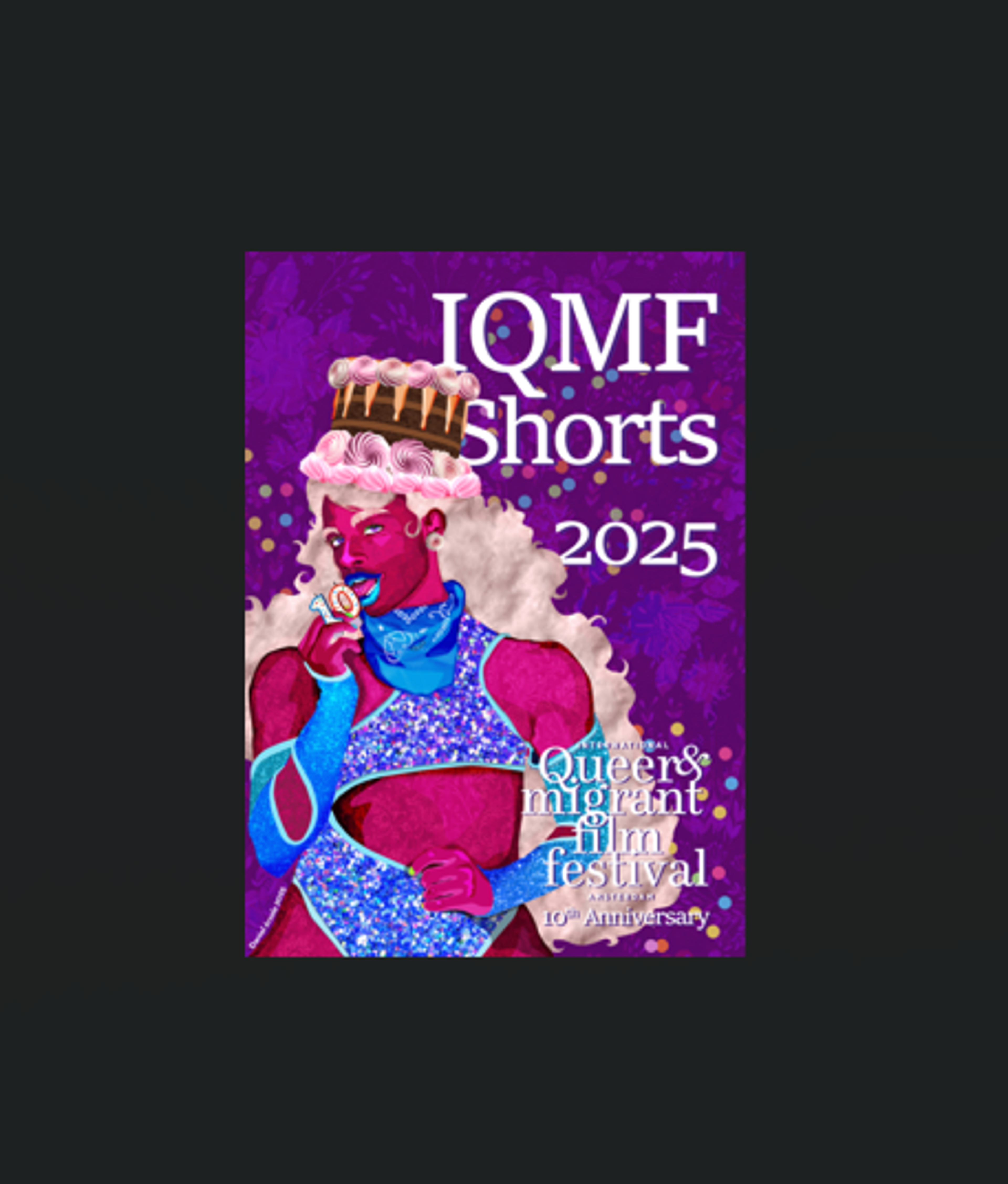
A good example is the International Queer & Migrant Film Festival. The film selection process always centers on two questions: Is the film about queer migrants, and was it made by queer migrants? As a result, the message sometimes takes precedence over technical quality. This makes sense, since queer filmmakers around the world do not always have the same access to equipment and resources that are taken for granted in Western countries.
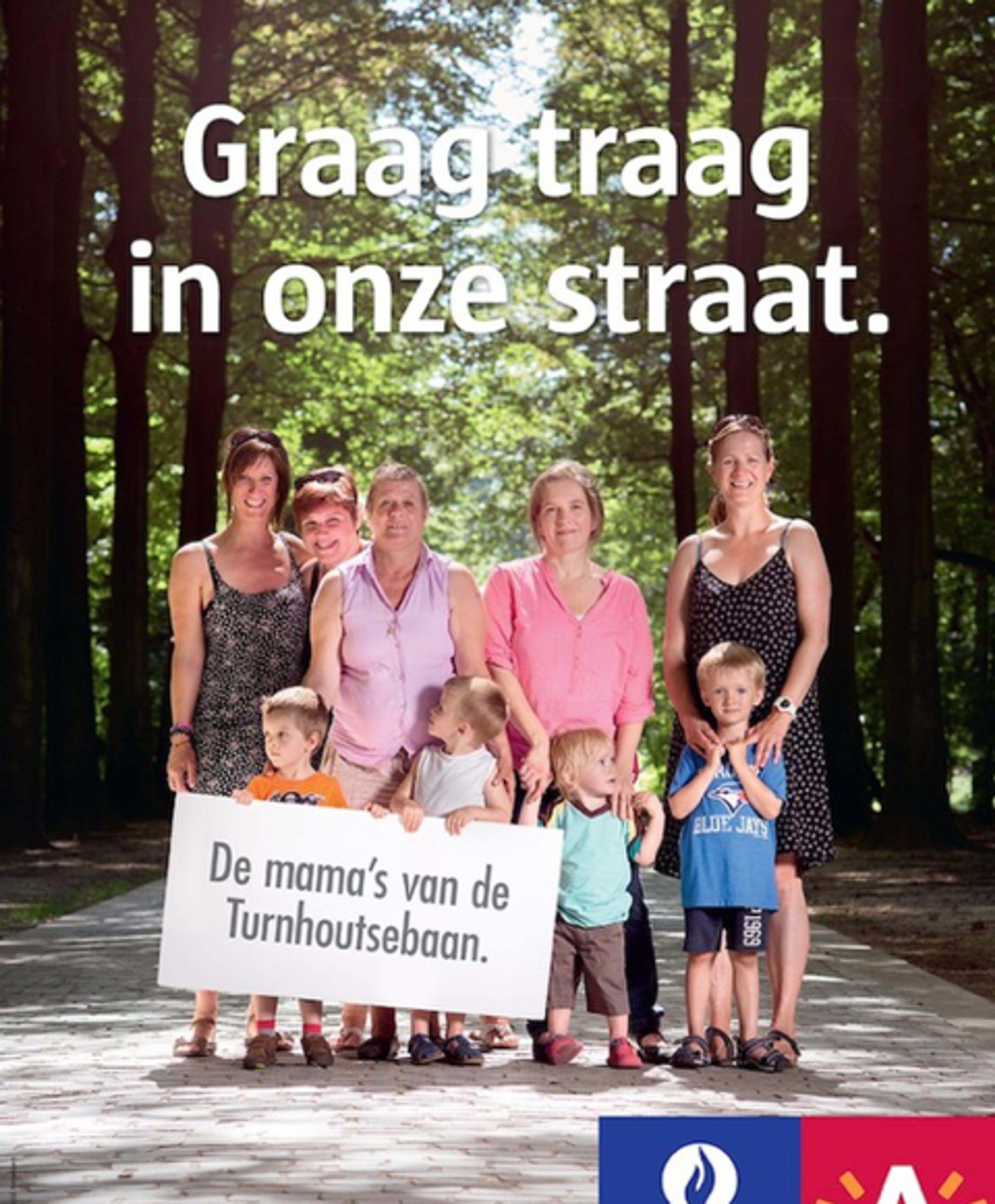
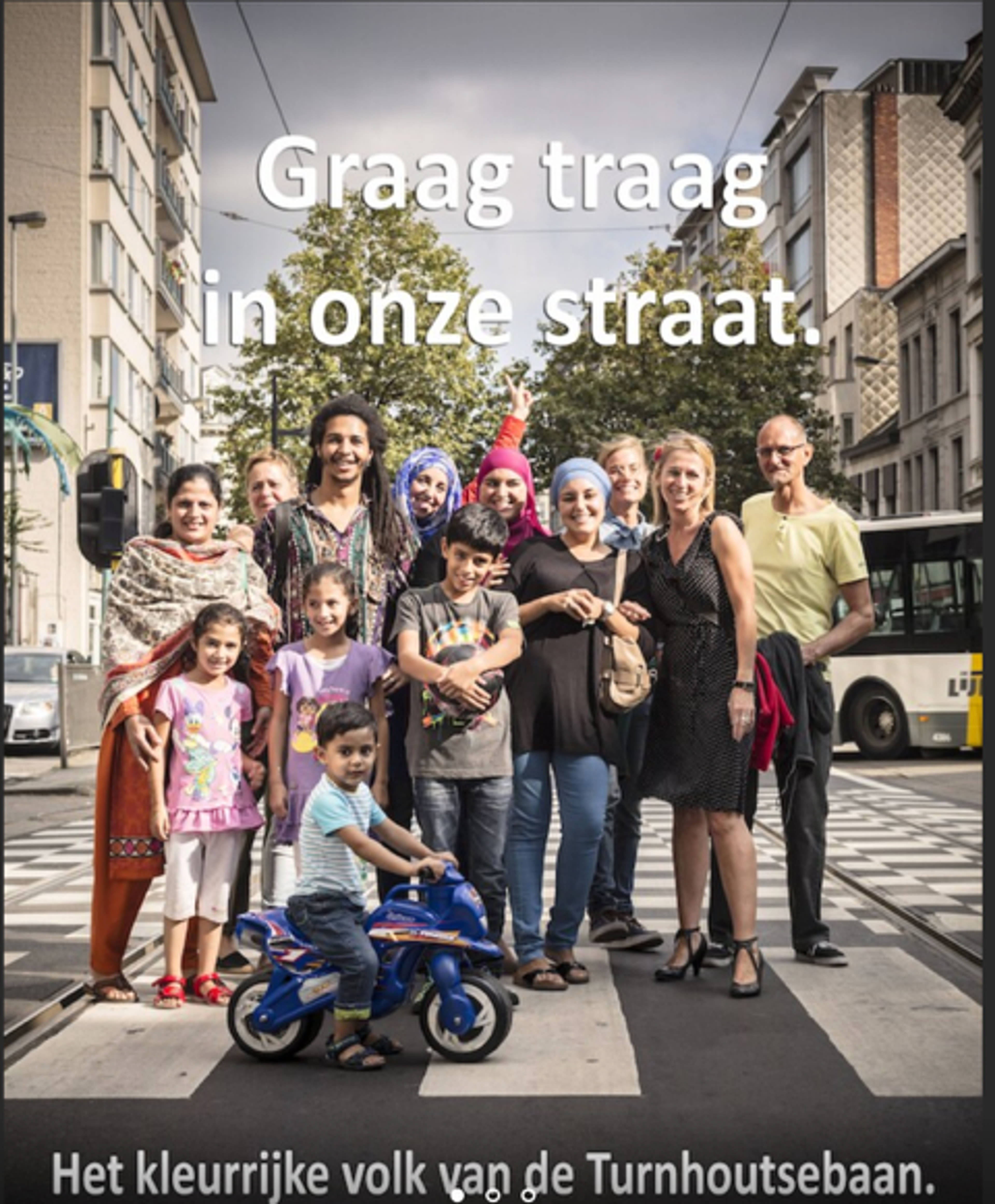
A good example in the field of marketing is the “Please Drive Slowly on Our Street” campaign. The Belgian police developed this campaign to better manage traffic between Antwerp and Turnhout. The residents of Turnhoutsebaan did not feel represented by it and came up with an alternative of their own. It conveyed the same message, but this time it truly reflected the residents’ perspective:
Your new audience is here—now what?
What is the experience like for someone visiting your location for the first time? Consider practical questions such as:
- Are the dining options also suitable for vegans or those who follow a halal diet?
- Are you allowed to come and go during a performance?
- And if that's not the case, is that clearly stated on the website?
- When visitors enter, do they also see others who look like them?
And now for one final, crucial question: can you really reach different target audiences if they don’t work within your organization? Not every organization can hire everyone on its own, but that’s precisely why partnerships are so important. Above all: dare to experiment. Try things out, make adjustments where necessary, and, most importantly, keep the dialogue going with your audience.
📚 Recommended Reading: *Inclusive Communication* by Hanan Challouki. A practical book full of examples and tips for making communication truly inclusive.