Cross-Domain Collaboration with Club Goud
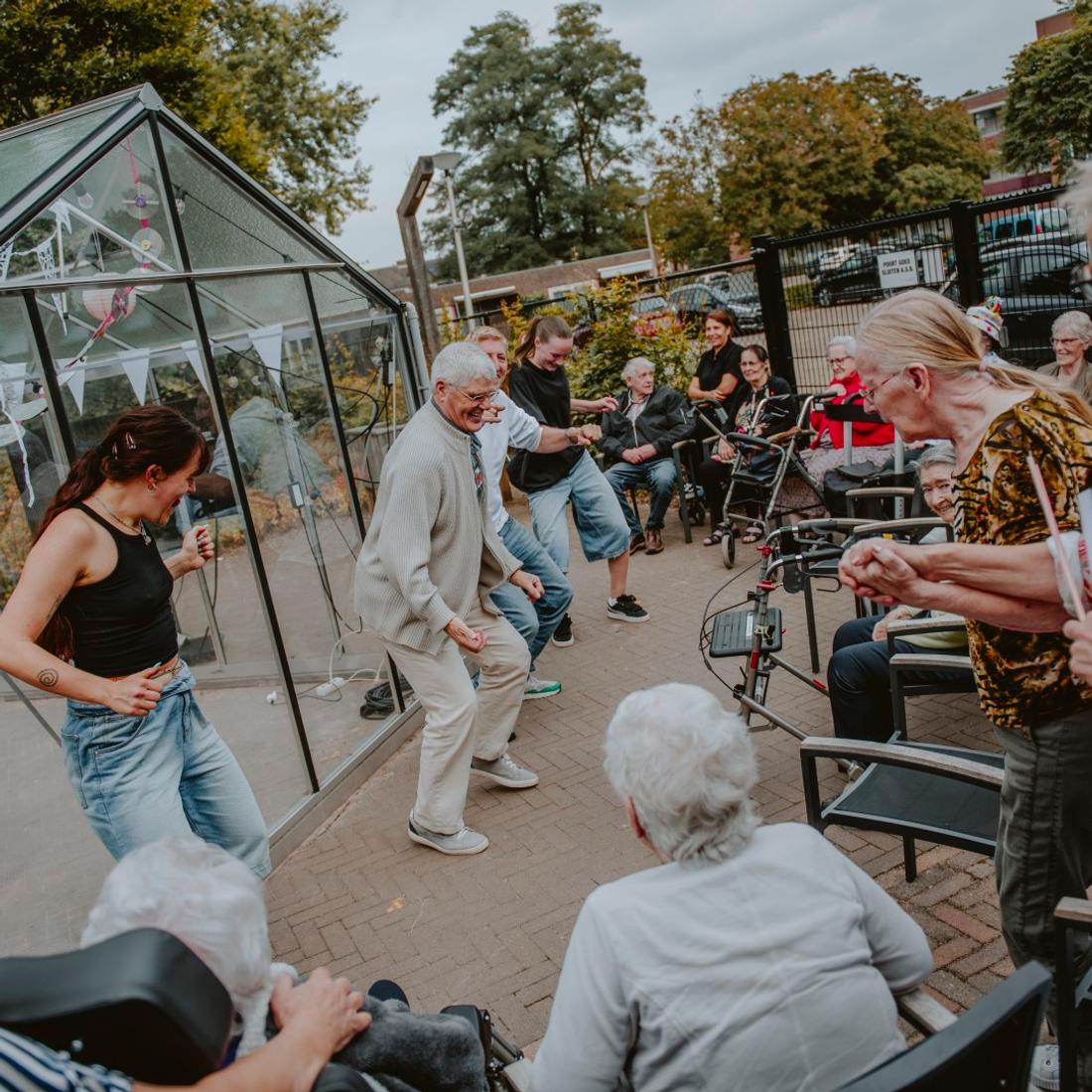
In today’s cultural sector, more and more initiatives are emerging that connect art and culture with other fields, such as healthcare and well-being. These cross-sector projects harness the creativity of artists and creators to address social issues. An inspiring example of this is Club Goud, an organization dedicated to enriching the lives of older adults through art and culture.
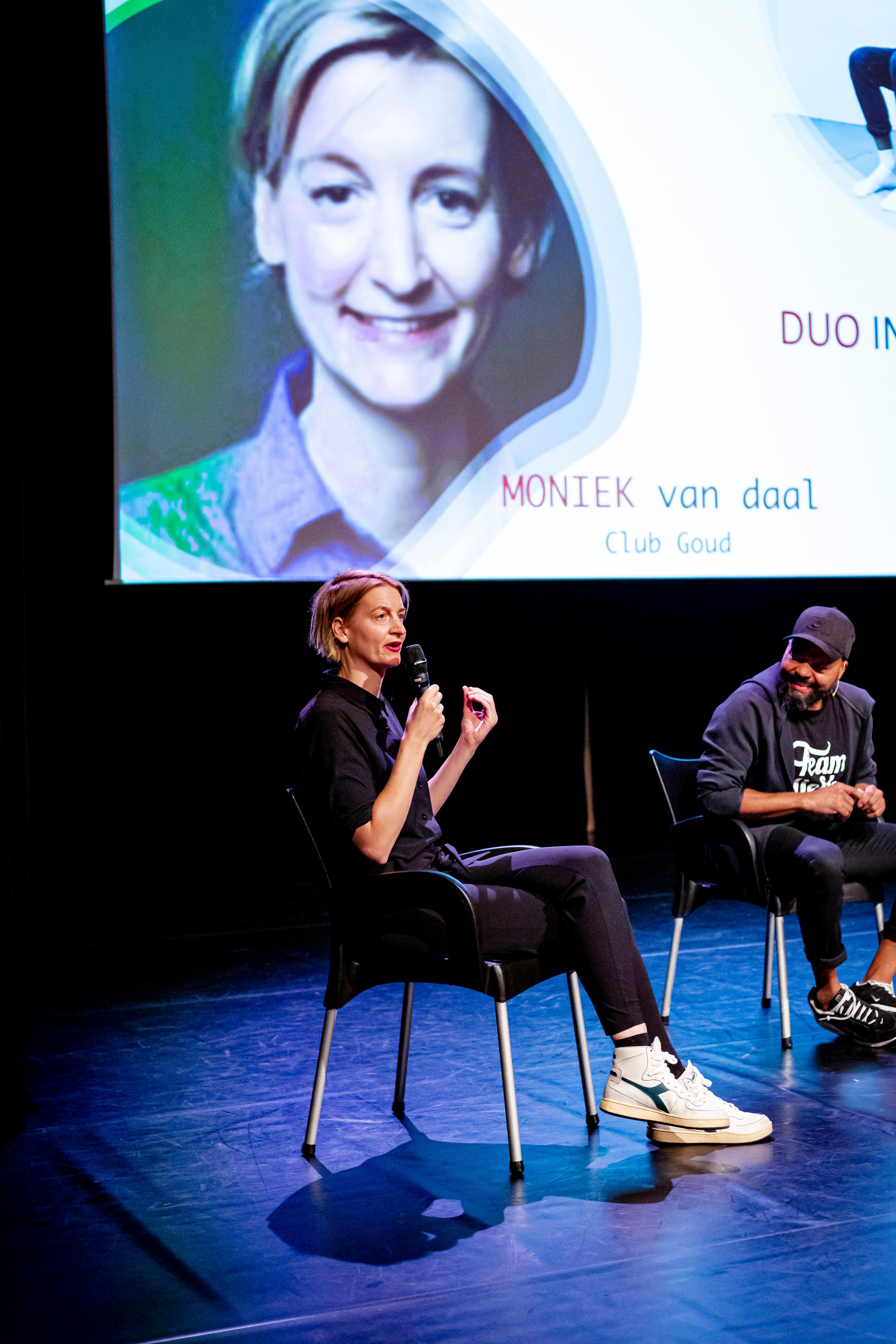
Suzanne Brunner is a project manager at Club Goud, an organization that uses art and culture to enrich the lives of older adults. “Basically, everything Club Goud does revolves around helping seniors age happily. Art and culture are powerful tools in this regard,” she explains. Suzanne works on culture-related projects, such as “Kunst over de Vloer” and “Lang Leve Cultuur,” which actively engage seniors and add meaning to their lives. Club Goud always collaborates with partners from the healthcare and social services sectors and is constantly seeking innovative ways to make art accessible to older adults.
Marcelle Hilgers is an artist-researcher and works at the Mental Health Care and Society Research Group at Windesheim University of Applied Sciences. As an artist educator, she combines her roles as a creator, teacher, and researcher, focusing on art projects that have a social impact. Her collaboration with Club Goud began spontaneously: “We ran into each other at the NYMA Makersplaats, and it just clicked. I’ve been involved for a year and a half now, and it feels like a wonderful cross-pollination,” she says.
Connecting Initiator
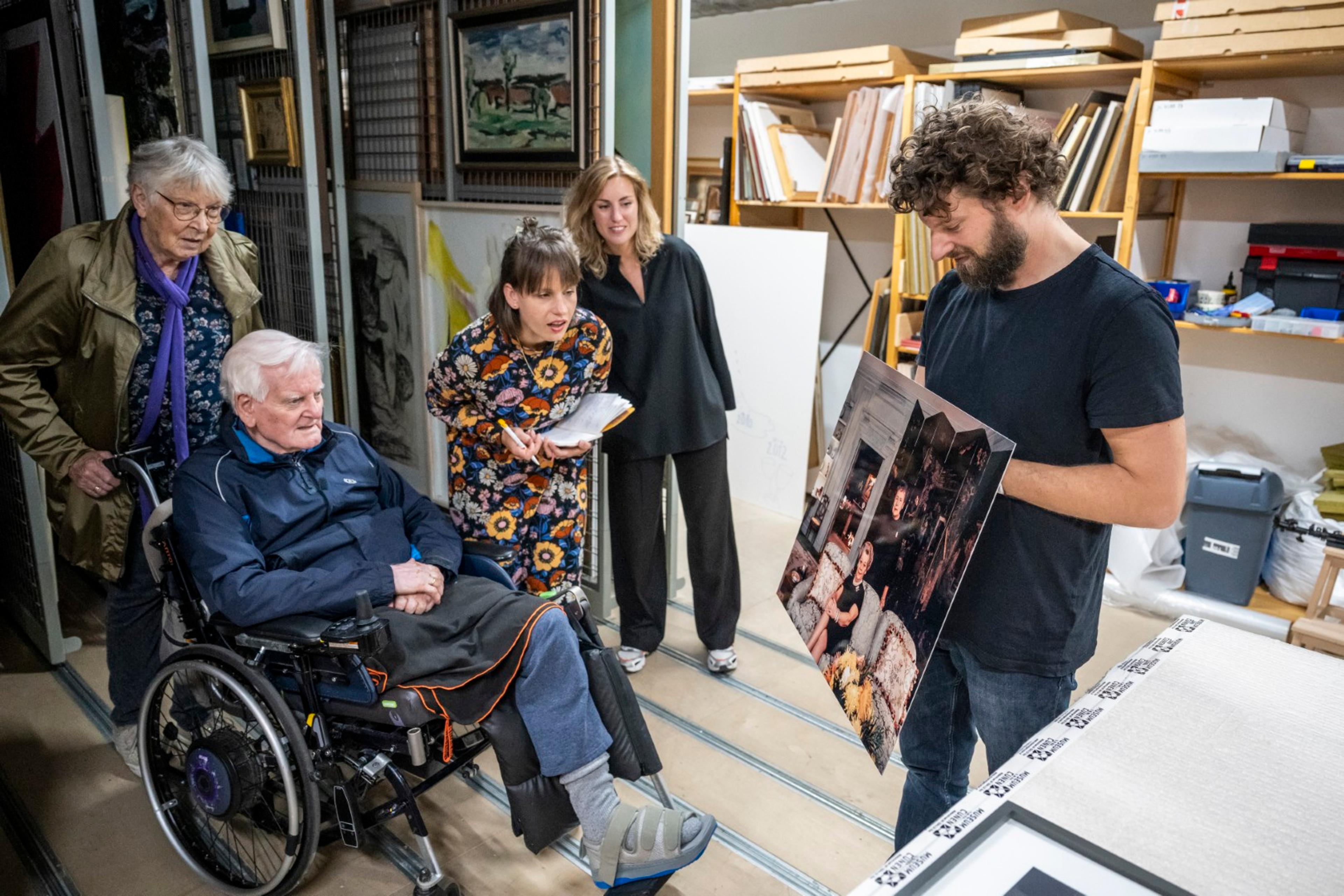
Club Goud connects healthcare, well-being, and culture by using art as a tool for co-creation. “We always work with a healthcare or well-being partner and with the seniors themselves. That makes what we do more impactful,” says Suzanne. One example is “Kunst over de Vloer,” in which artworks from museums are brought to care facilities and exhibited together with residents and care staff. In this way, Club Goud acts as a unifying initiator, with collaboration and flexibility at the core. “For many people, this is new, but that’s precisely what gives rise to the most wonderful initiatives.”
“Sometimes a project isn’t ‘cultural’ enough for a cultural fund and isn’t ‘social’ enough for a social welfare fund. In that case, you have to take a close look at which programs do fit the bill.” — Suzanne Brunner
The Key to Successful Collaboration
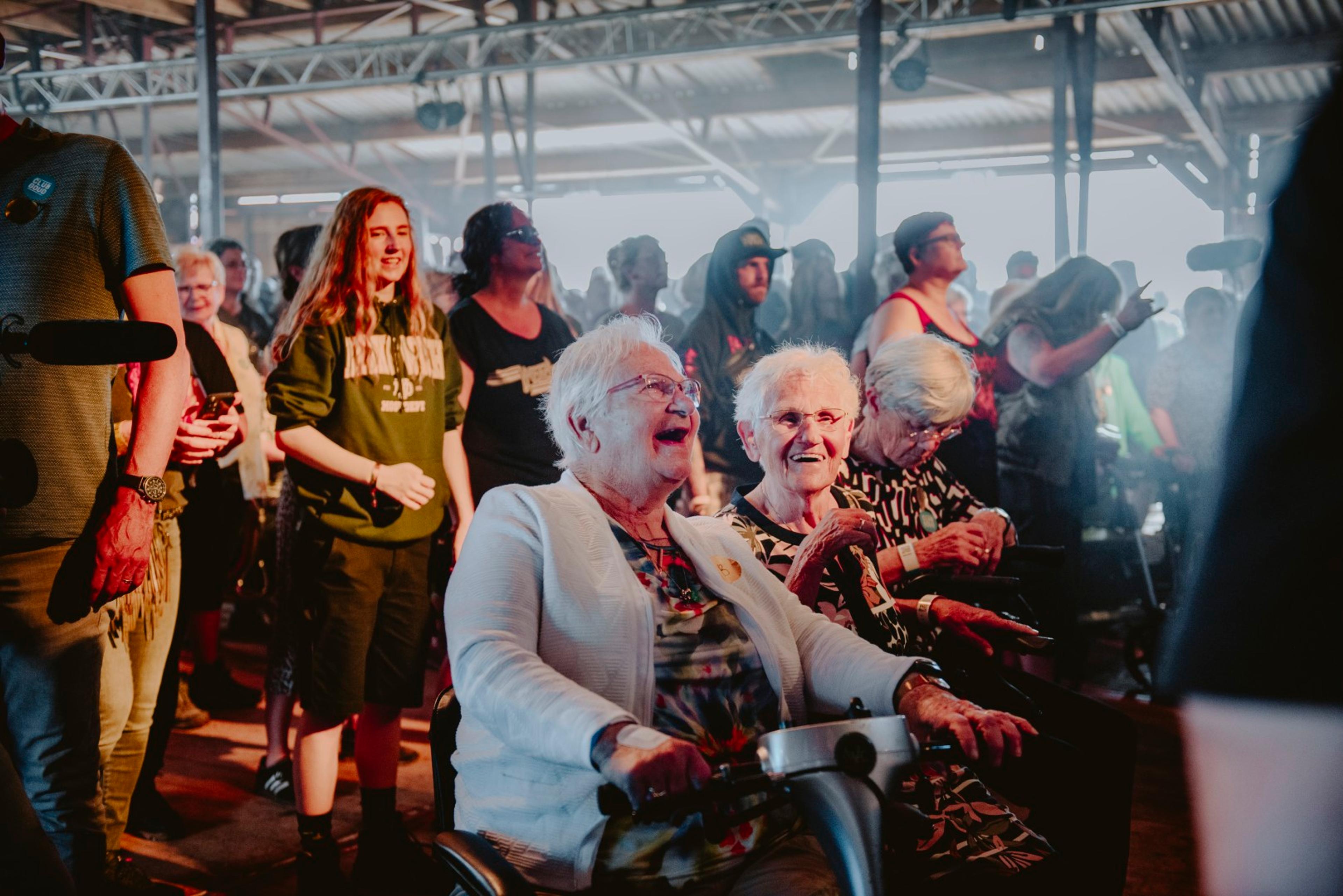
Effective communication forms the foundation of every cross-domain project, Suzanne emphasizes. The importance of equal collaboration, where the outcome is not predetermined, should not be underestimated. Suzanne: “One of the most important factors in all the projects Club Goud undertakes is that the outcome must not be predetermined. Because you have to be able to come up with it together.” This open approach creates space for co-creation and ensures that everyone involved has a real say in the final result.
Marcelle also emphasizes the importance of a shared language and understanding of each other’s perspectives. Only then can you begin to look for common values. “What is the common ground? Is there even any? Sometimes you can get stuck on the surface. People tend to stay on their own little islands, after all.” Bridging these differences requires patience and a willingness to step into each other’s worlds.
Finding the Right Resources
Funding is one of the biggest challenges in cross-sector projects, as they often fall between the cracks of standard grant categories. Suzanne therefore emphasizes the importance of creative and strategic fundraising: “Sometimes a project isn’t ‘cultural’ enough for a cultural fund and isn’t ‘social’ enough for a social welfare fund. In that case, you have to take a close look at which programs do align with your project.” Furthermore, the choice of collaboration partners can be decisive, as some healthcare and social welfare institutions have their own budgets available for projects that align with their mission.
💡Tip: Funds for Seniors provides an overview of funding opportunities for initiatives that contribute to the well-being and quality of life of seniors.
“Some experiences simply cannot be put into words—that’s where the power of art and culture comes into play.” — Marcelle Hilgers
Marcelle sees grant applications not only as a means of securing funding, but also as an opportunity to define a project more clearly: “I find writing a grant application very valuable, because it forces you to articulate your vision for cross-disciplinary work in very concrete terms.” Still, she also acknowledges the downside: “It’s hard work and takes a lot of time, while many artists and creators already fulfill multiple roles within a project.” That’s why an entrepreneurial mindset is crucial when seeking funding. This means not only actively approaching funds and grants, but also thinking outside the box—for example, by exploring collaborations with the business community or private sponsors.
Thinking Outside the Box
A solid understanding of cross-domain collaboration is essential for the practical implementation of projects. Suzanne notes that working with development teams—groups in which connectors, artists, and stakeholders collaborate—is new to many people. “It requires flexibility and the ability to think outside your own framework. You have to be open to different ways of working and different interests,” she says. This can be a challenge, because sectors such as healthcare, social services, and culture operate at different paces, have different structures, and hold different expectations. Sometimes this leads to conflicts: “A healthcare organization plans months in advance, while an artist needs room for spontaneous creativity. Reconciling those needs isn’t always easy.”
In addition, the ways in which success is measured differ. While healthcare partners focus primarily on improvements in well-being and measurable impact, the cultural sector often emphasizes artistic quality and experience. Marcelle sees this as a strength: “We tend to make things very verbal, while some experiences simply cannot be expressed in words—that’s where the power of art and culture comes to the fore.”
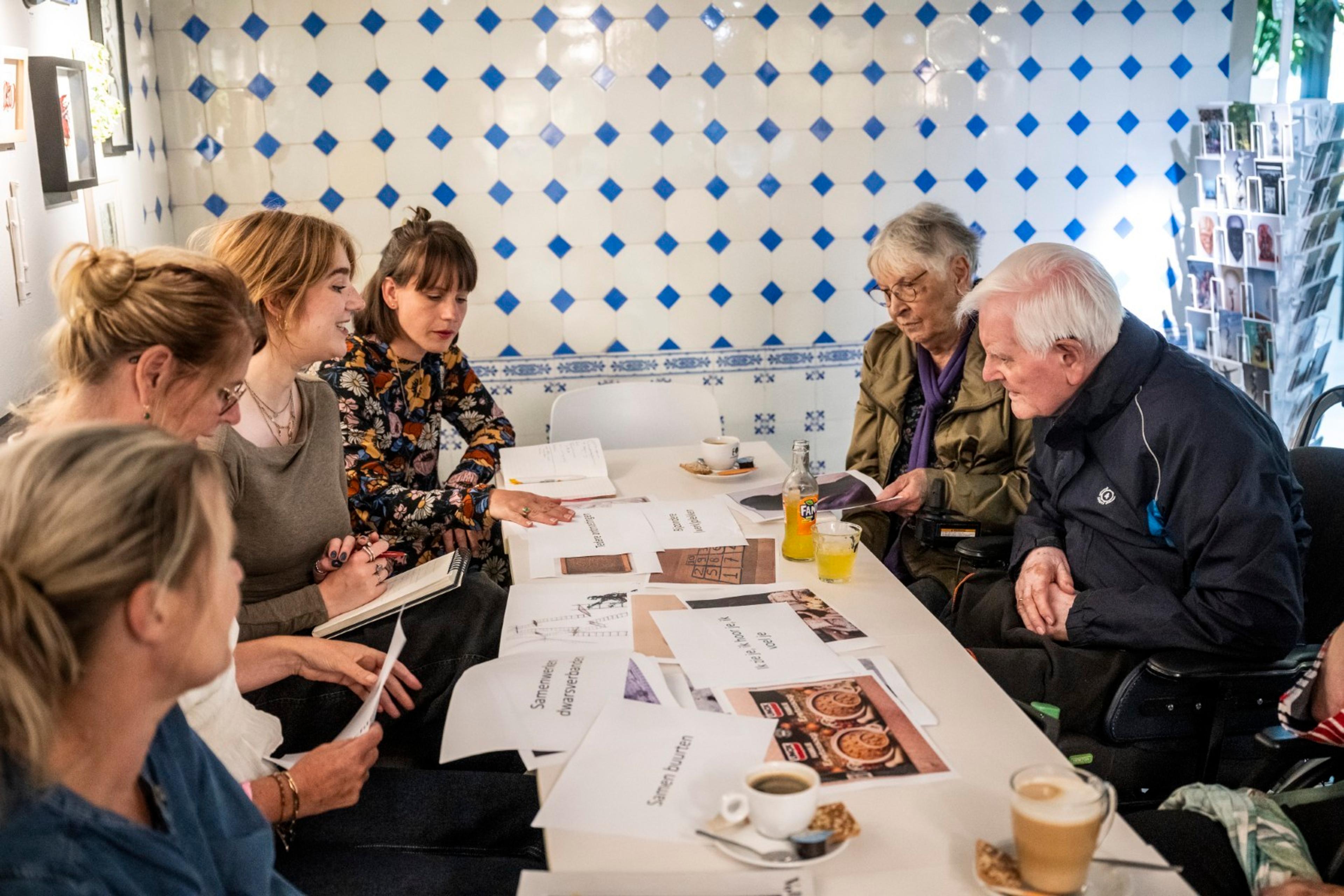
Lessons Learned from Cross-Domain Collaboration with Club Goud:
- Collaboration and co-creation are essential. Successful projects emerge when healthcare, social services, and culture work together on an equal footing.
- Creative and strategic fundraising is crucial. Cross-sector projects often fall between grant categories and require innovative financing solutions.
- Flexibility and a shared language make all the difference. Different sectors operate with varying structures and expectations. Understanding and open communication are essential for success.
Want to learn more about Club Goud? Visit the website or check out Instagram, Facebook, or LinkedIn. You can find out more about Marcelle Hilgers here, or view her profile on LinkedIn.